Spring history walks and program calendar set

Planning for spring and summer season guided history walks is underway: I’ll be leading four walks for the Architectural Heritage Center through Northeast Portland neighborhoods. Registration (and fee) with AHC is required for these, and they’ll send you meet-up details as well.

Coming right up on Friday, March 6th at 5:00, I’m doing a free program at the Oregon City Library looking at Portland’s historic love affair with the Willamette River: Windemuth and Bundy’s: Where Portland Played in the River. The OC Library requests registration (which is free!).

Just an FYI, I’m always glad to consider leading walks and programs for groups interested in exploring local history. Let’s talk if you’re interested. Meanwhile, have a look at the calendar:
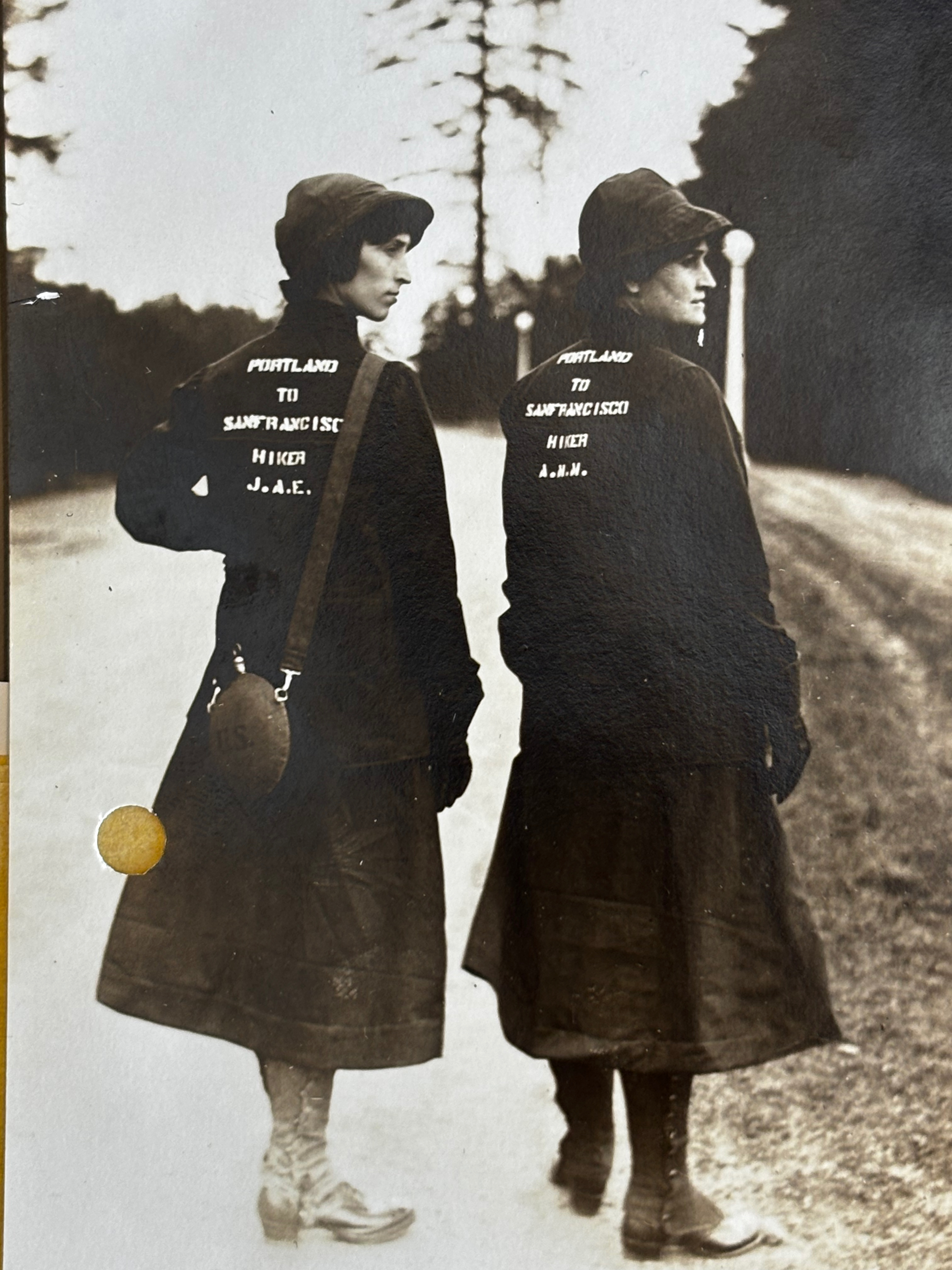
We won’t be walking to California like this Portland mother-daughter duo from 1915 who always inspire us. But we will be walking! Join the fun.

Saturday, May 30, 2026 at 10:00 am – Beaumont Neighborhood History Walk

One of Northeast Portland’s signature planned neighborhoods, Beaumont—“the beautiful mountain”—was platted in 1910, had its own named school, business district and streetcar route, and was home to one of Portland’s wealthiest and most powerful families that built a compound for its seven children. Join me for a walk along Alameda Ridge that ties these stories together and explores 116 years of neighborhood development. Registration link.

Saturday, June 6, 2026 at 10:00 am —Wilshire Neighborhood History Walk

Northeast Portland’s Wilshire neighborhood has long been tied to its neighbor Beaumont. But its history and development followed a very different trajectory. On this Saturday morning stroll, we’ll walk through a planned neighborhood that was never developed, explore multiple attempts to create Wilshire Park (which almost failed!), and line up with then-and-now photo points that show dairy pasture and forest stands at the heart of today’s residential neighborhood. Registration link.

Tuesday. June 30, 2026 at 10:00 am —Alameda Neighborhood History Walk

This Tuesday morning walk will explore the connections between past and present that shape the Alameda neighborhood we know today. This 90-minute stroll will cover just over a mile with multiple stops focusing on pre-development conditions, planning and construction of the neighborhood, the Broadway Streetcar, architectural house styles, and stories of local interest. Most of this walk is on flat terrain other than a gradual stretch that ascends the Alameda Ridge. Registration link.

Tuesday, July 14, 2026 at 10:00 am —Vernon Neighborhood History Walk

Come explore the layers of history in the Vernon neighborhood, from development of Alberta Park, to the fall and rise of neighborhood schools, to patterns of redlining from the 1930s-1950s, the presence of dairies, a much-loved old synagogue, a popular streetcar and a street full of small businesses. We’ll walk back in time to understand the how legacies of the past have shaped the neighborhood of today. Registration link.

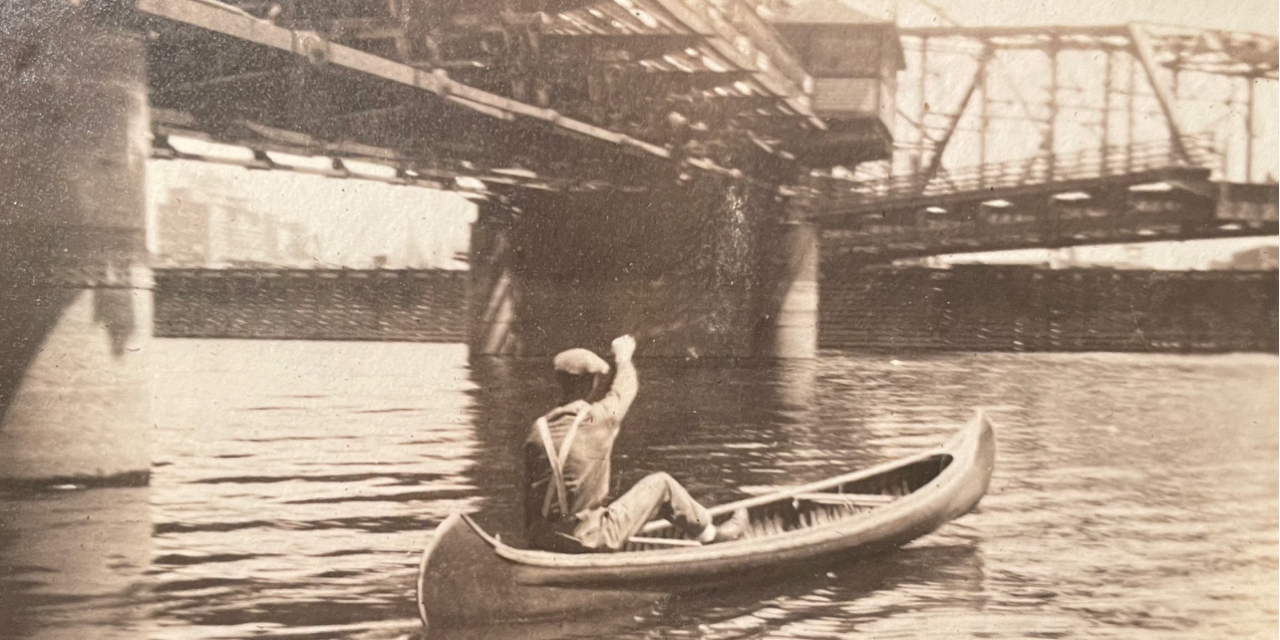
100-year-old photos offer a fresh look at the Willamette River in downtown Portland

We’ve been helping a long-time Northeast Portland family sort through their 100-year-old photo albums to identify some mystery locations and develop context about important family places. We love working with old photos (there’s a whole category here on the blog called Photo Detective dedicated to the topic which we think makes interesting reading and looking).

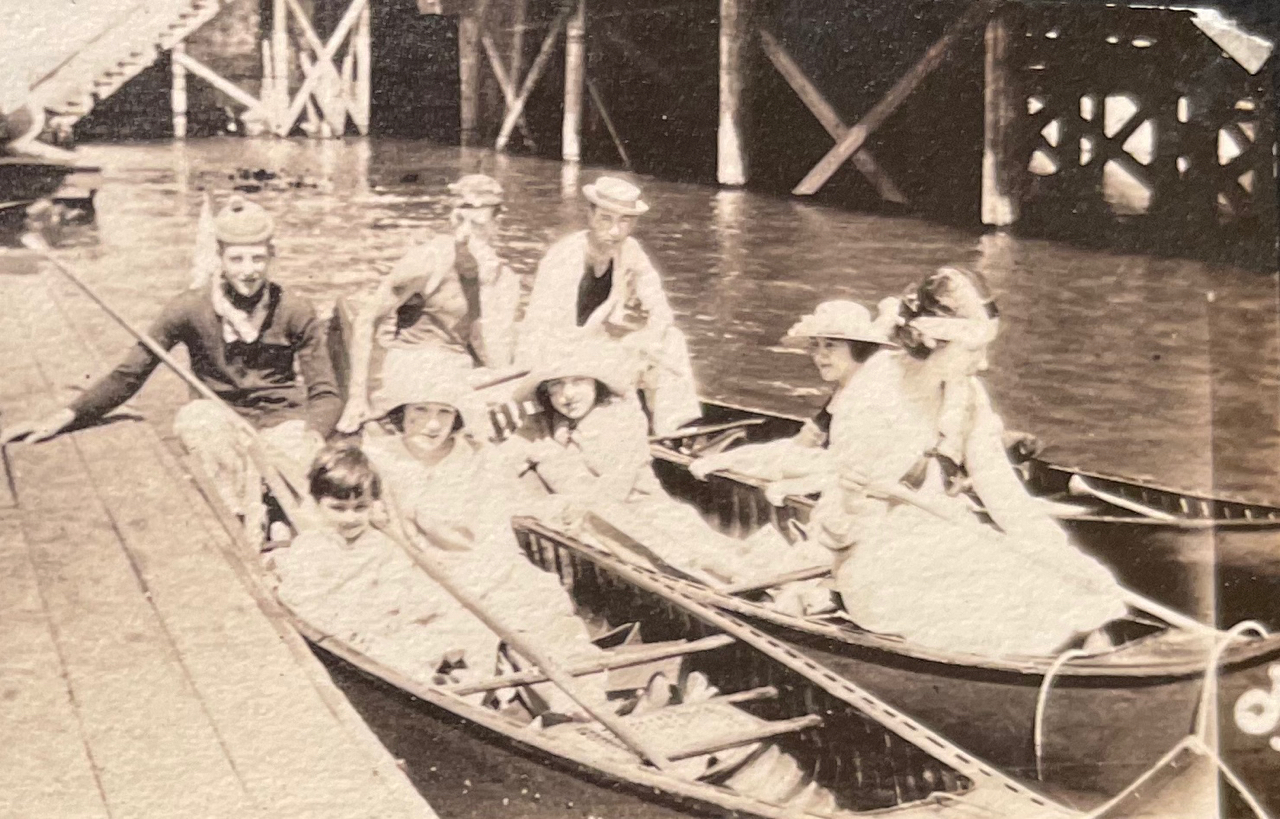
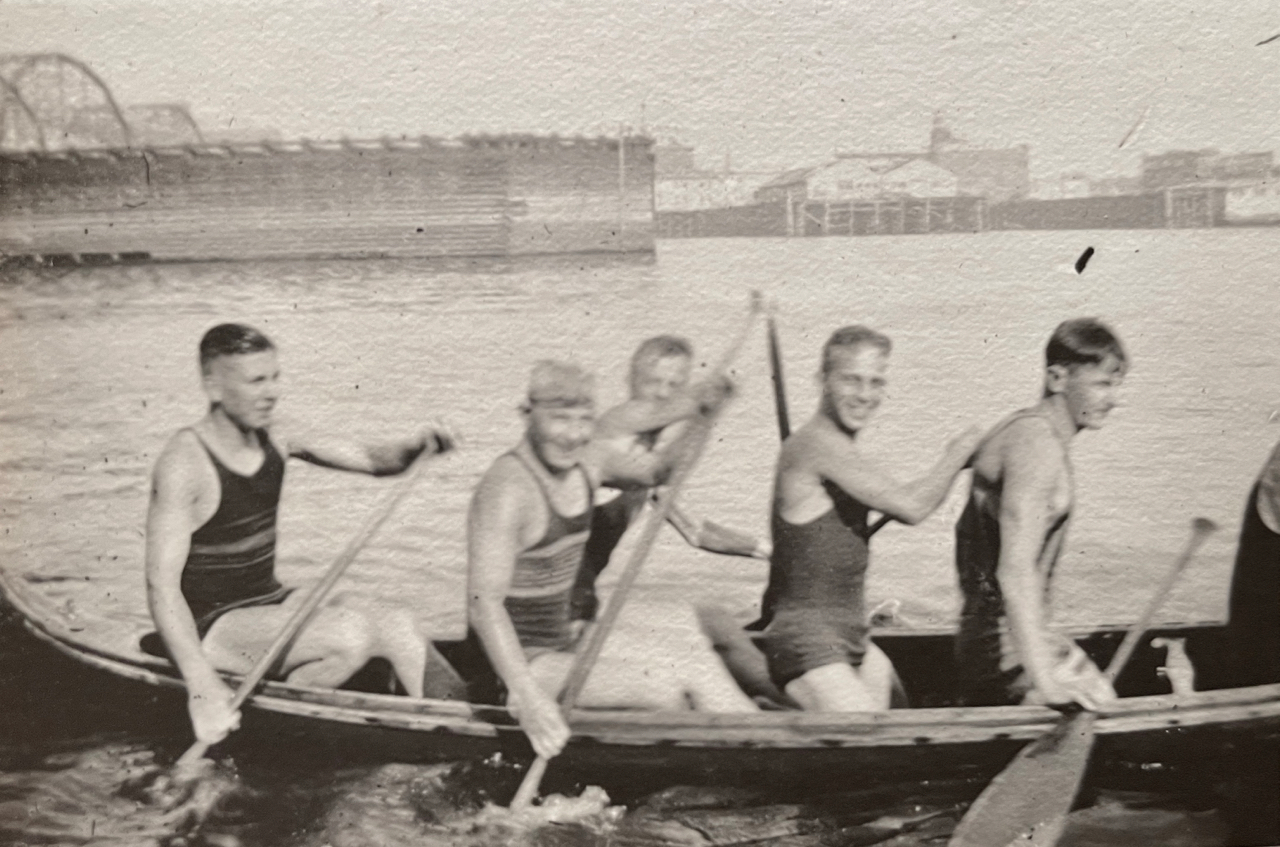
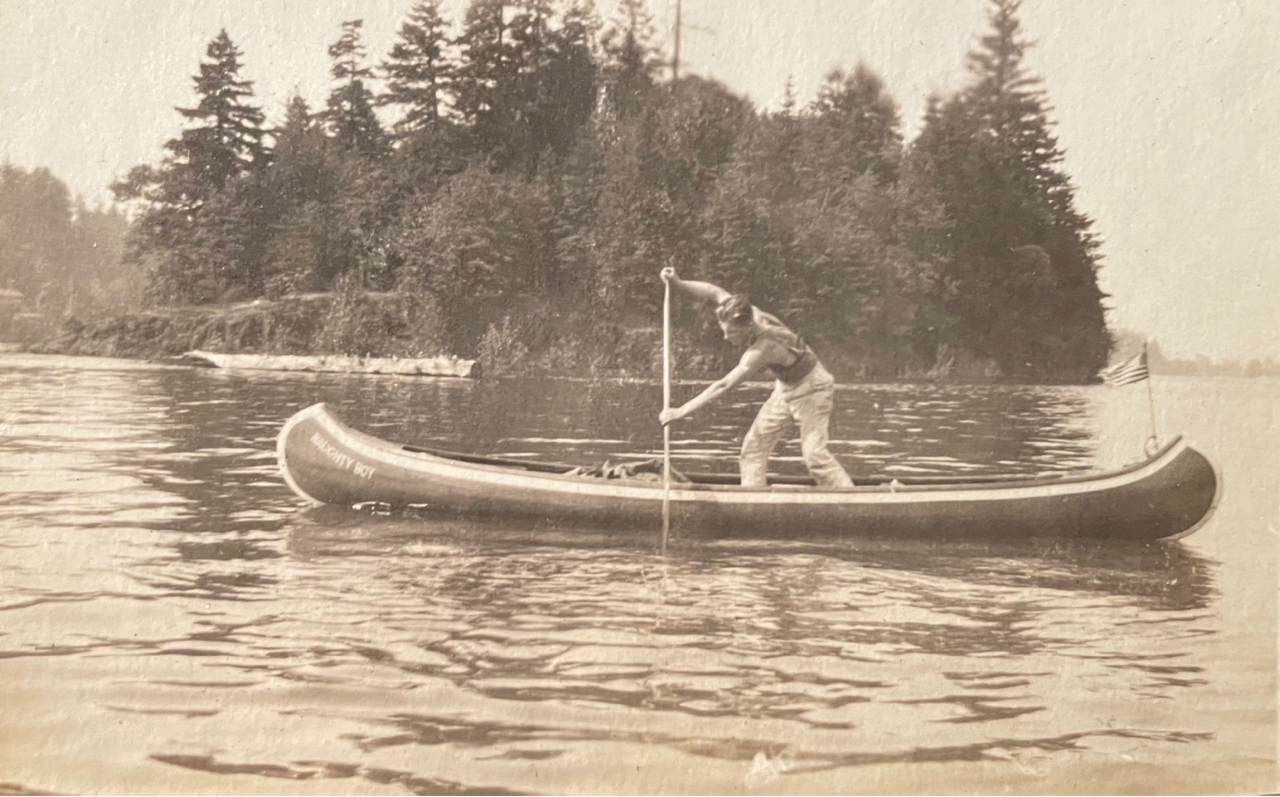
100 years ago, this family loved to play outside and one of their favorite places was the Willamette River between Swan Island and Oak Grove. Like so many young Portlanders of that era, their key to exploring these places was a canoe.

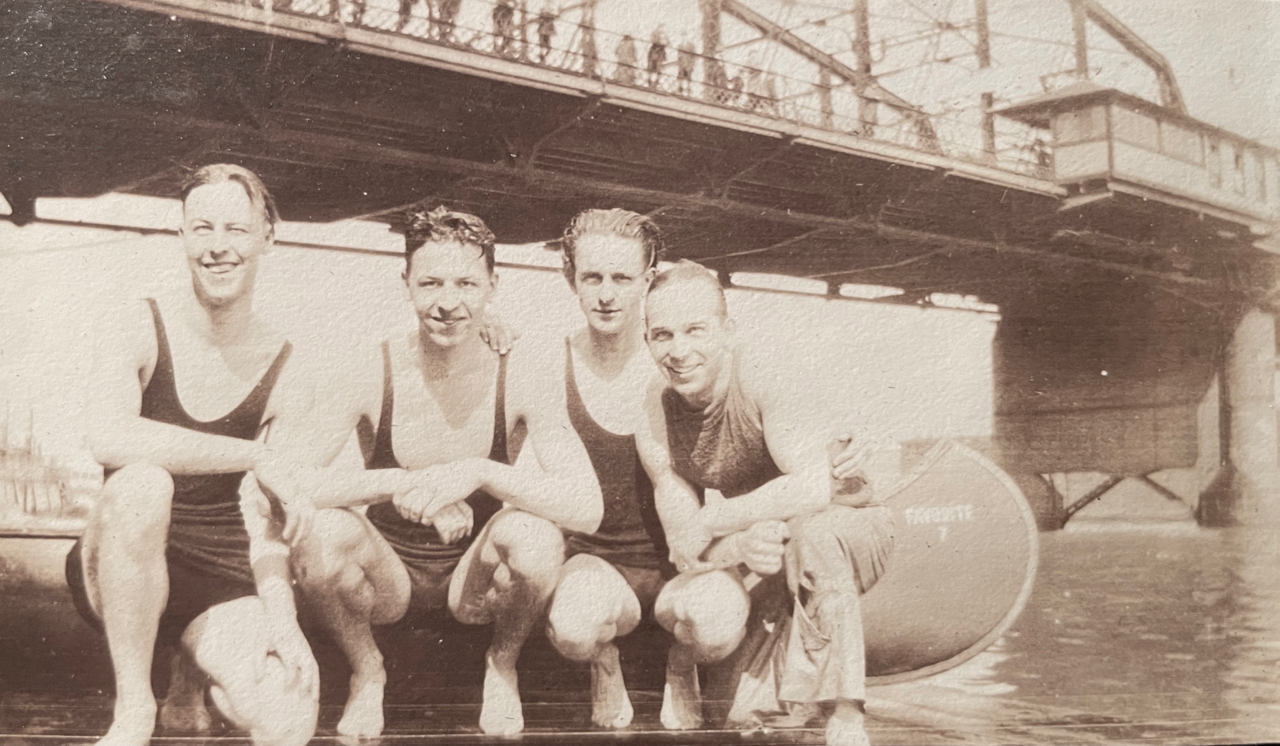
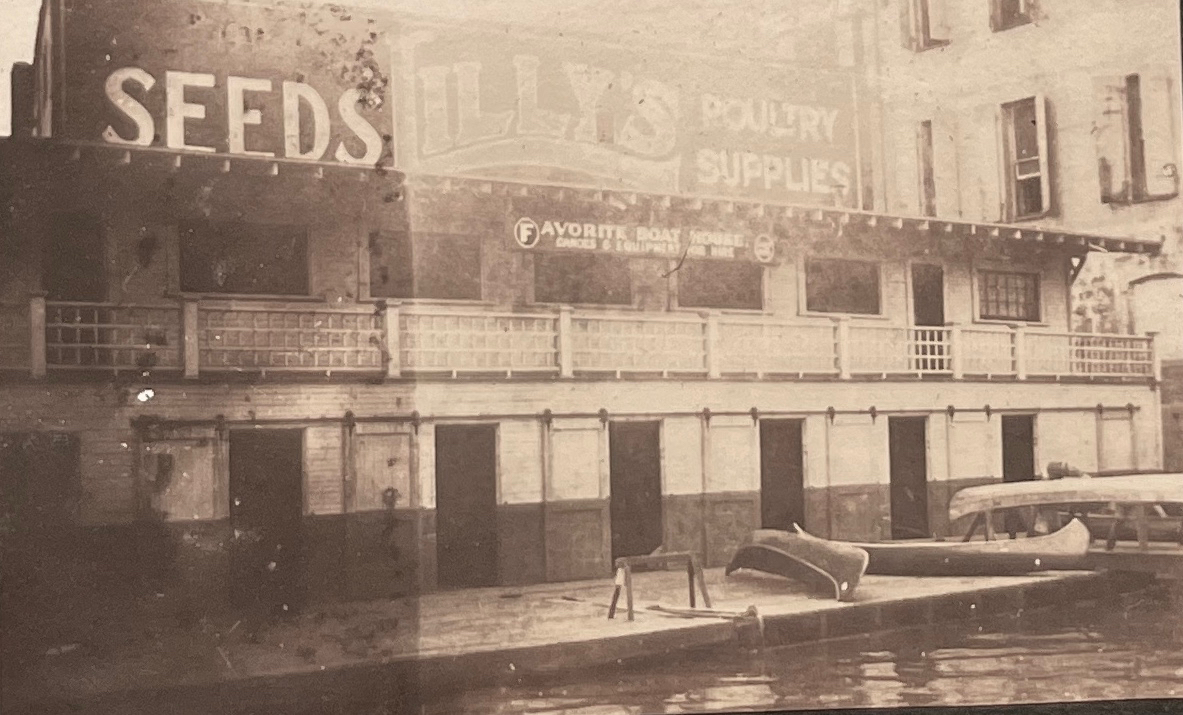
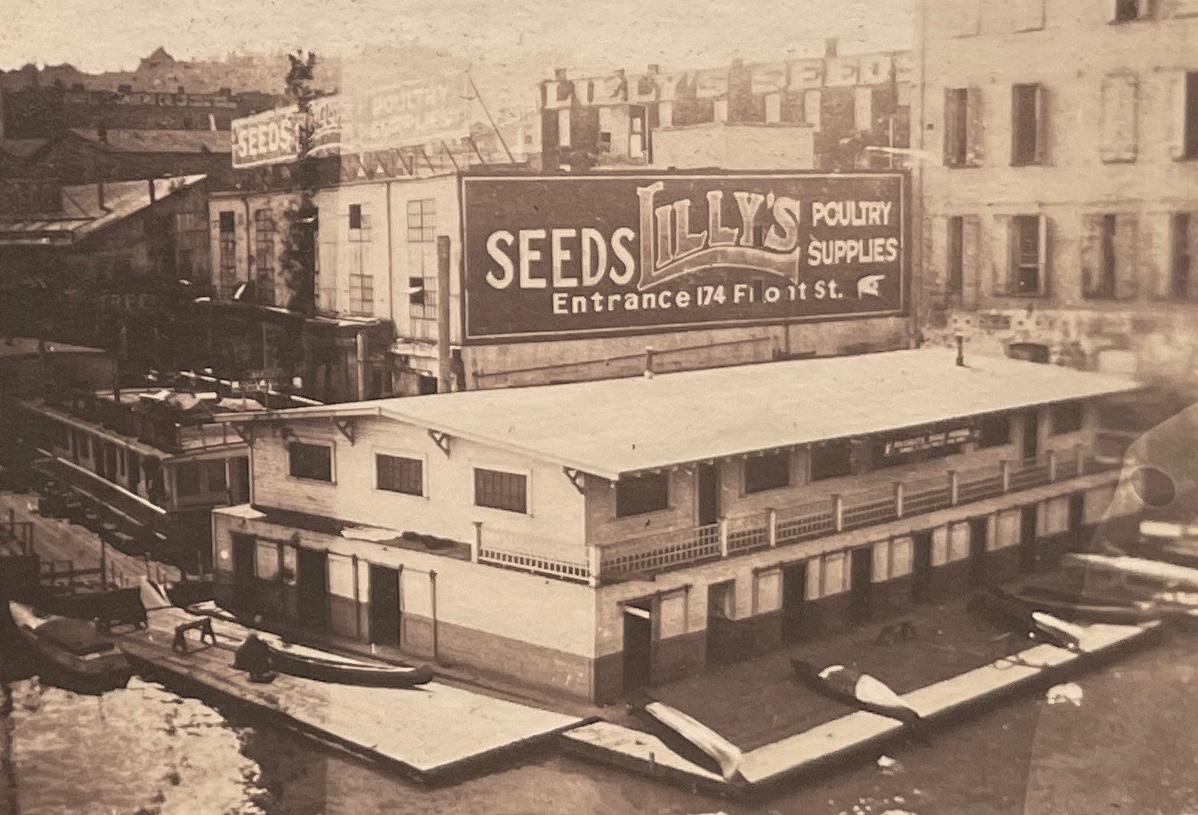
Departing from The Favorite Boathouse under the west end of the old Morrison Bridge, a swing bridge built in 1905 that was replaced in 1958 by the bridge we know today. In the photo above looking to the east, the eastern span of the old bridge is swung open to allow heavy river traffic to pass.

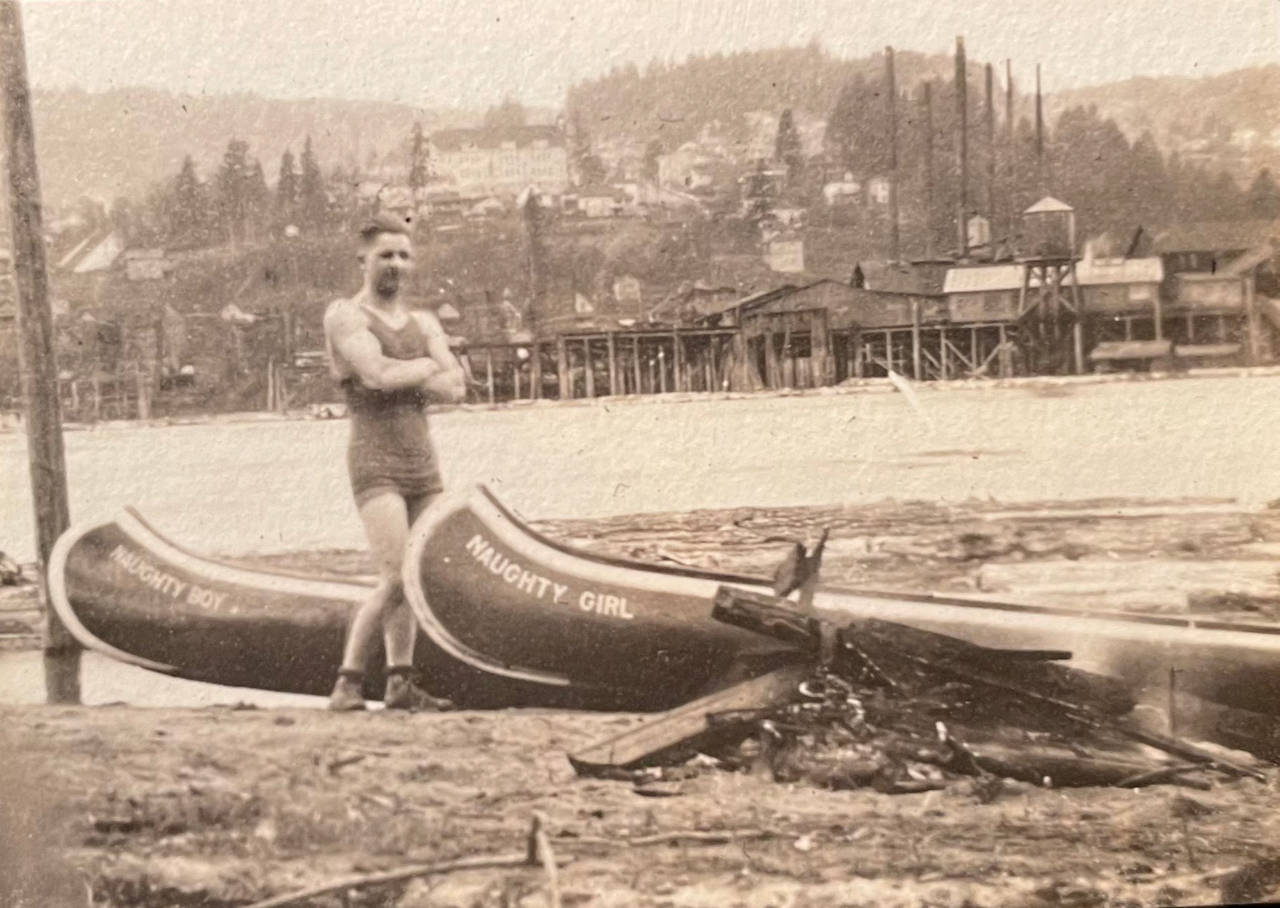
Along with front-porch moments of young families, babies and World War 1 soldiers returning home to Northeast Portland, the albums contain pages and pages of river adventures from the summer of 1919. Since we are frequently in the same waters by kayak and canoe, finding these glimpses struck close to home and got us wondering about the connection between Portlanders and the Willamette 100 years ago. These young people clearly were connected with their river, which looks to have connected them with each other in the special way that rivers do.

A boathouse on the west bank of the Willamette just south of the Morrison Bridge seemed to be at the heart of many adventures, a place appropriately called “The Favorite Boathouse.”

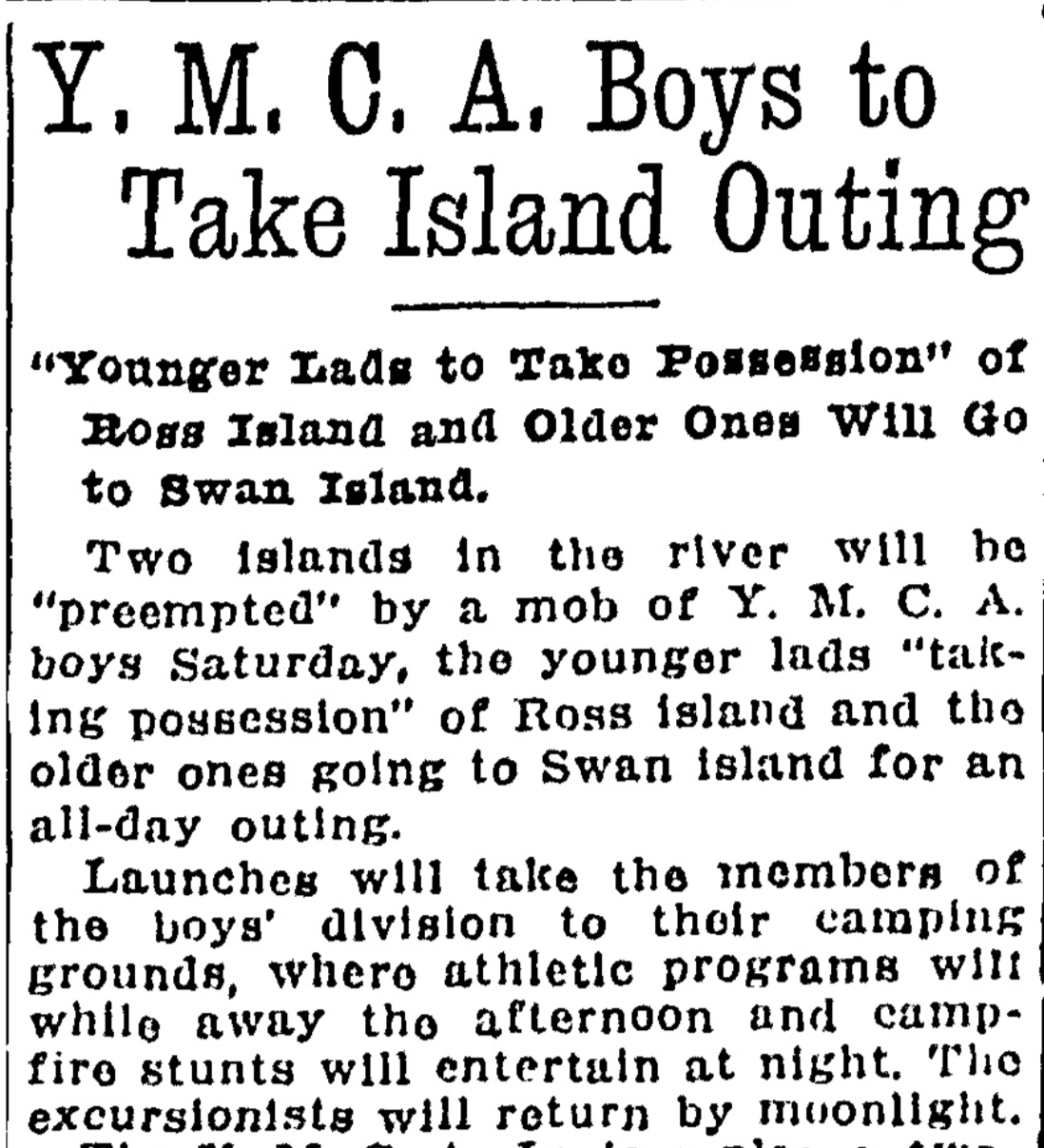
A look through the Oregon Journal and The Oregonian during these years opens a window into just how many young Portlanders took to local waters by canoe. At the time, Ross Island and Swan Island were outposts for recreation (and Swan Island was still very much an island). In 1916, both were destinations for organized outdoor recreation.

From the Oregon Journal, April 20, 1916.

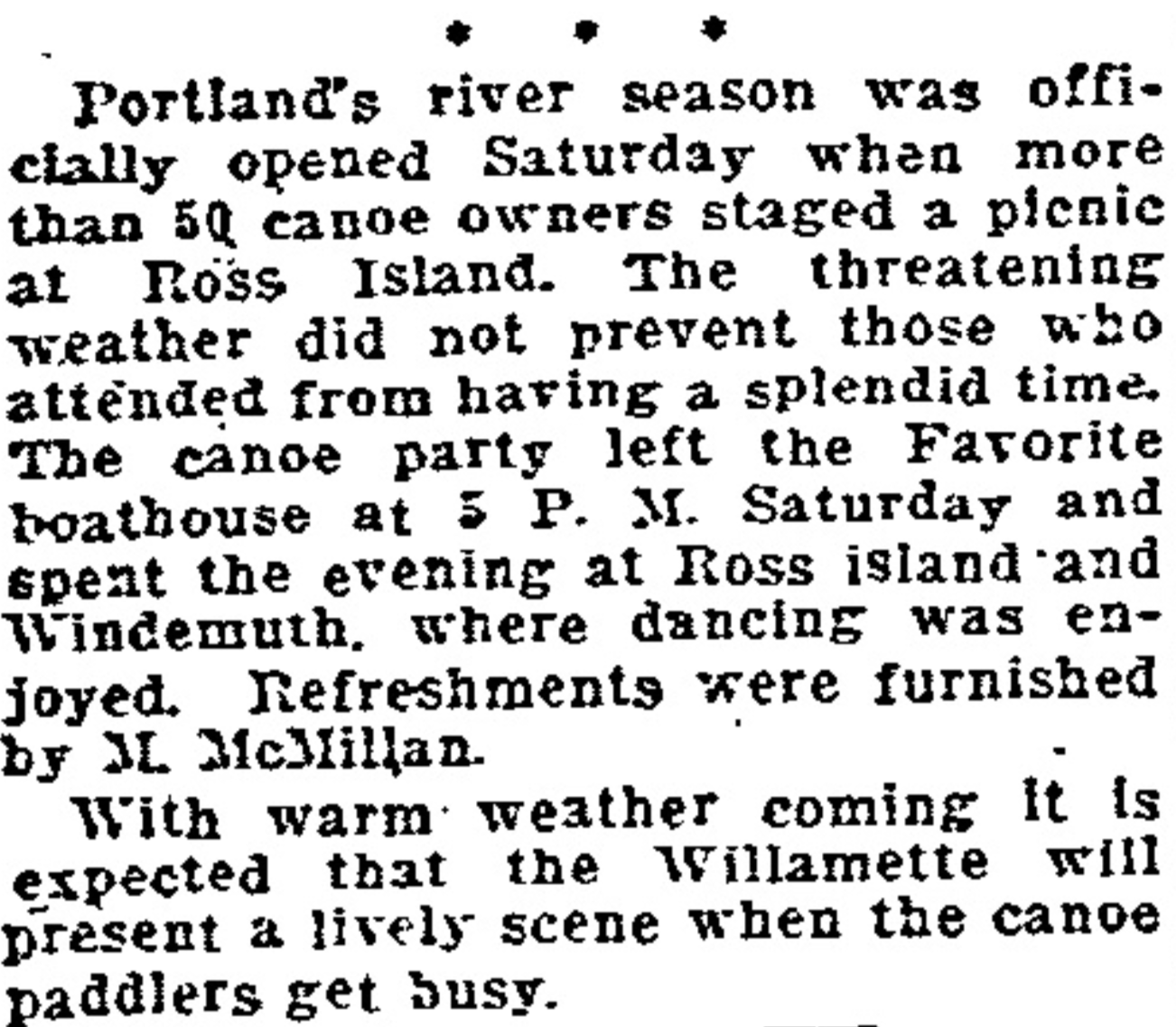
From The Oregonian, April 25, 1921

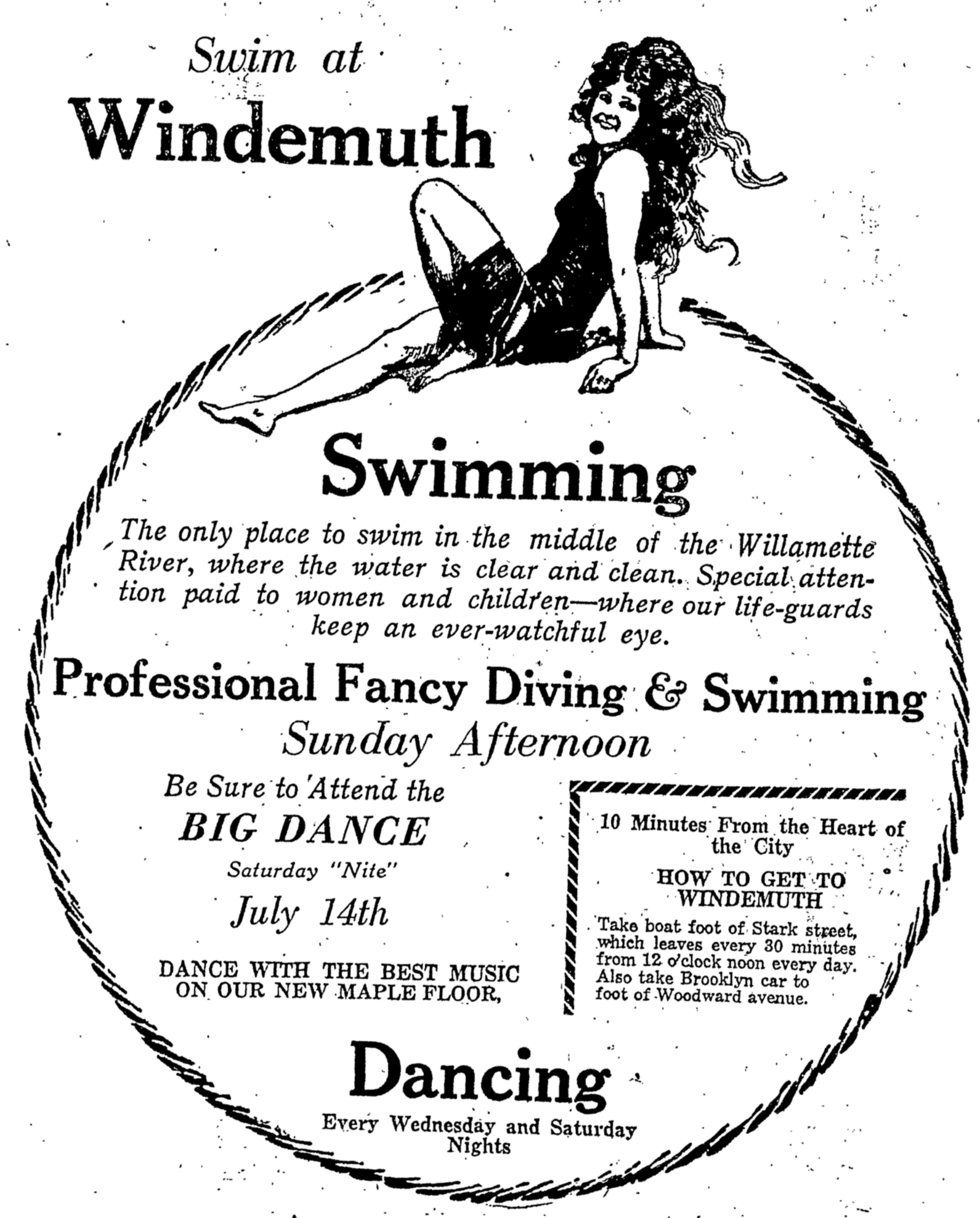
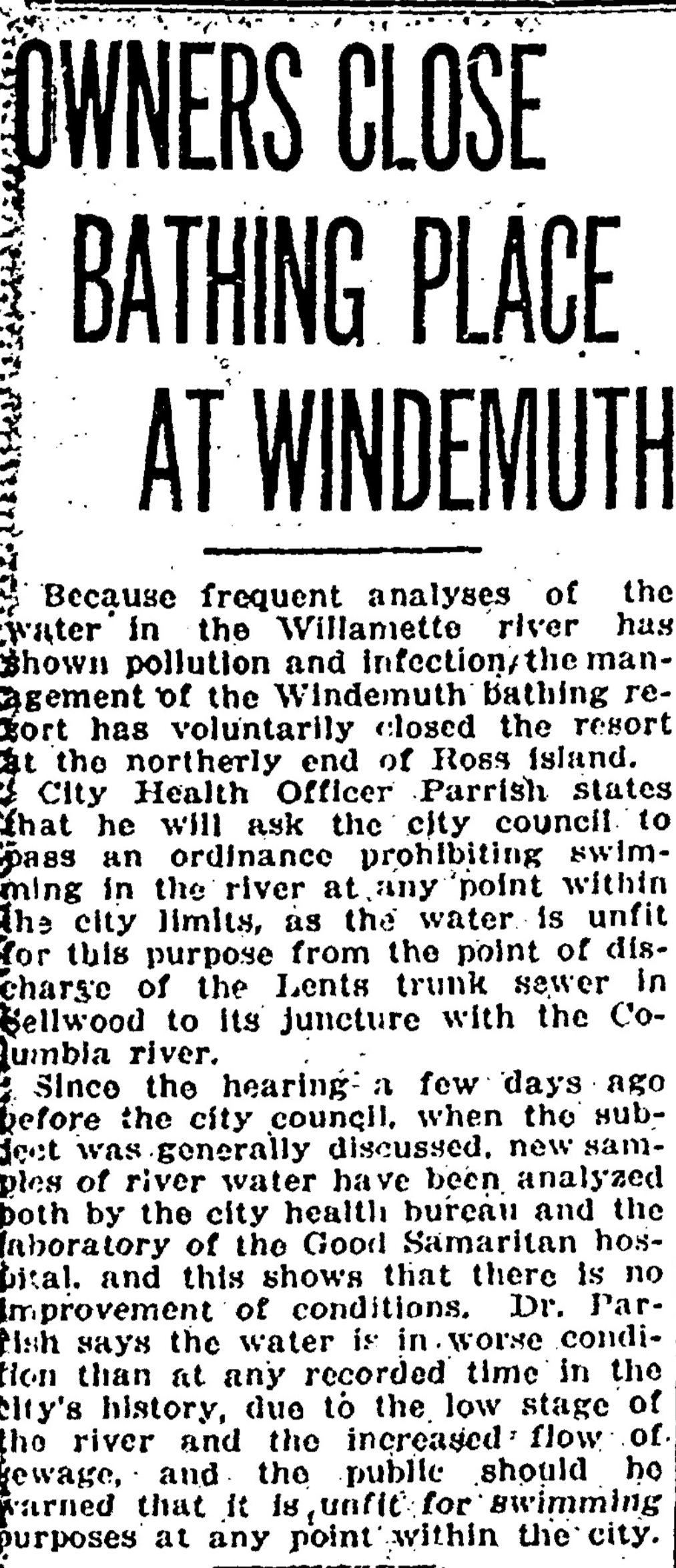
A popular destination for Willamette paddlers in the late 19-teens and early 1920s was Windemuth, a giant floating swimming pool and dance pavilion anchored in the river off the northern tip of Ross Island. By day, Windemuth featured swimming competitions and all manner of water play. By night, hundreds of paddlers arrived to dance on the floating dance floor.

From the Oregon Journal, July 14, 1923

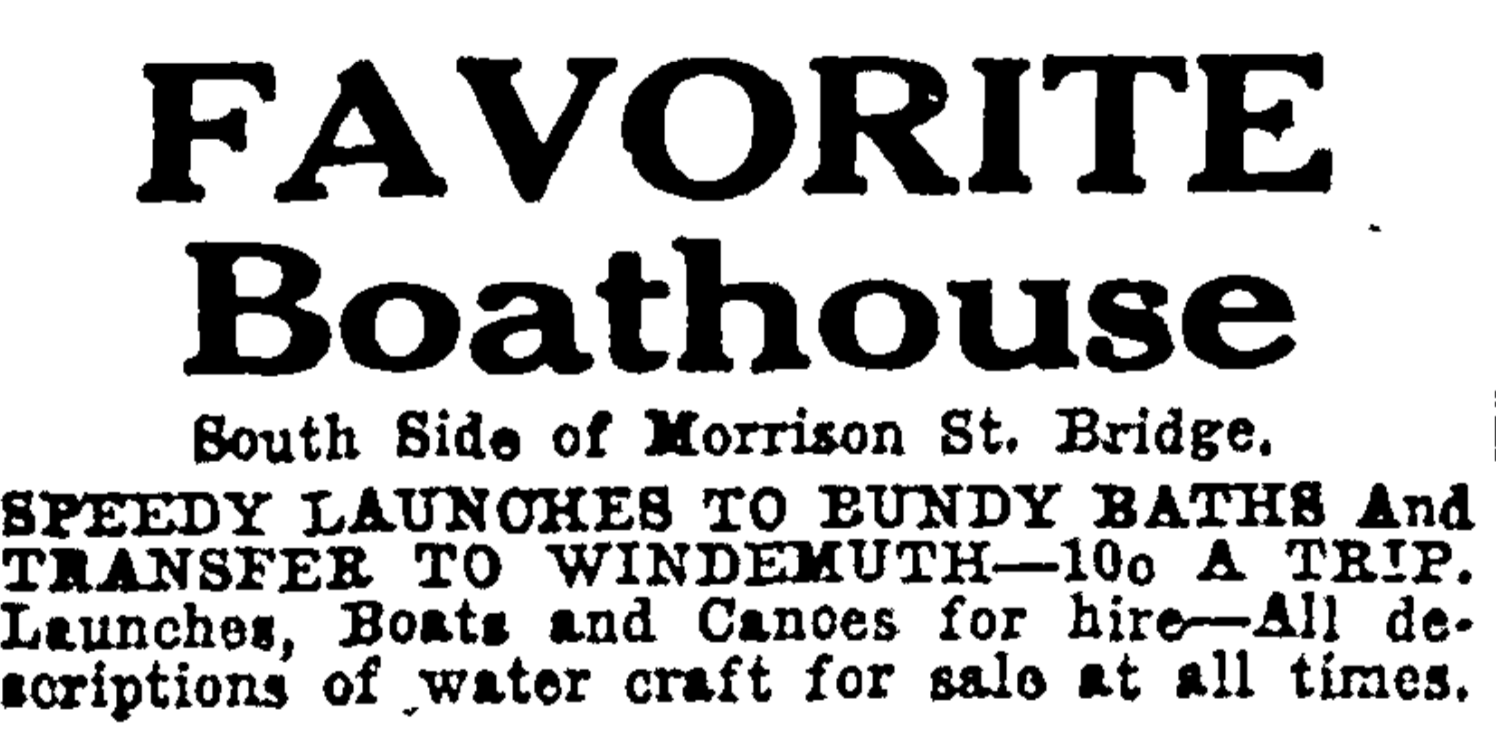
The Favorite and other boathouses rented canoes for couples and groups to paddle upstream to Windemuth for the summer evening dances. If you didn’t want to paddle, you could pay to ride a scheduled “motor launch” from downtown. Or from the eastside, you could take the Brooklyn Streetcar to the foot of Woodward Street and catch a short boat ride across to the floating pavilion.

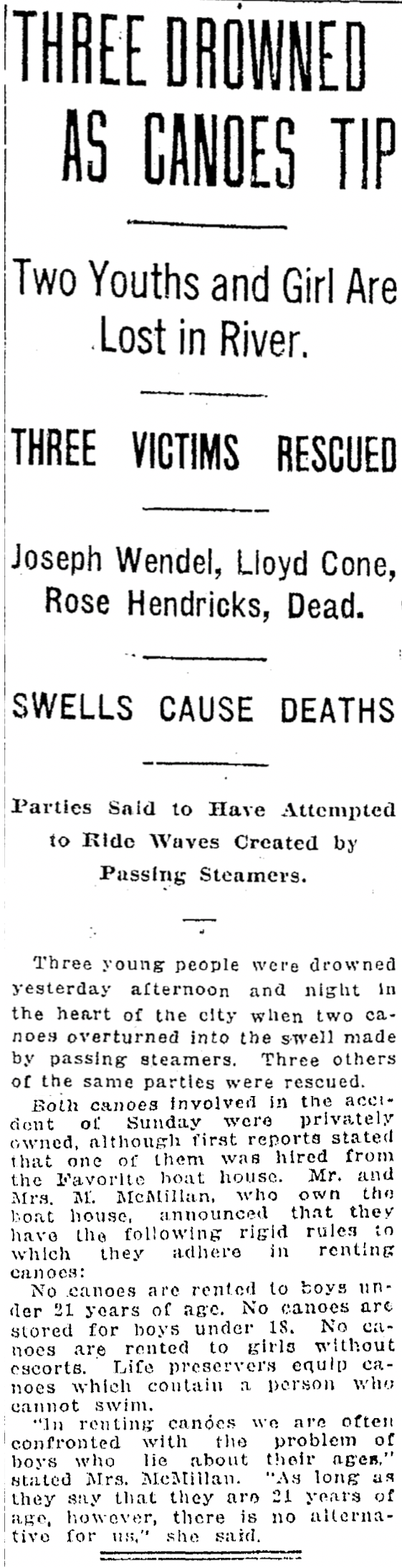
Unfortunately (and not surprisingly) there were frequent swampings of canoes from the wakes of the many steamships active in Portland harbor, and regular drownings, often at night, coming and going to the islands.

From The Oregonian, May 14, 1923

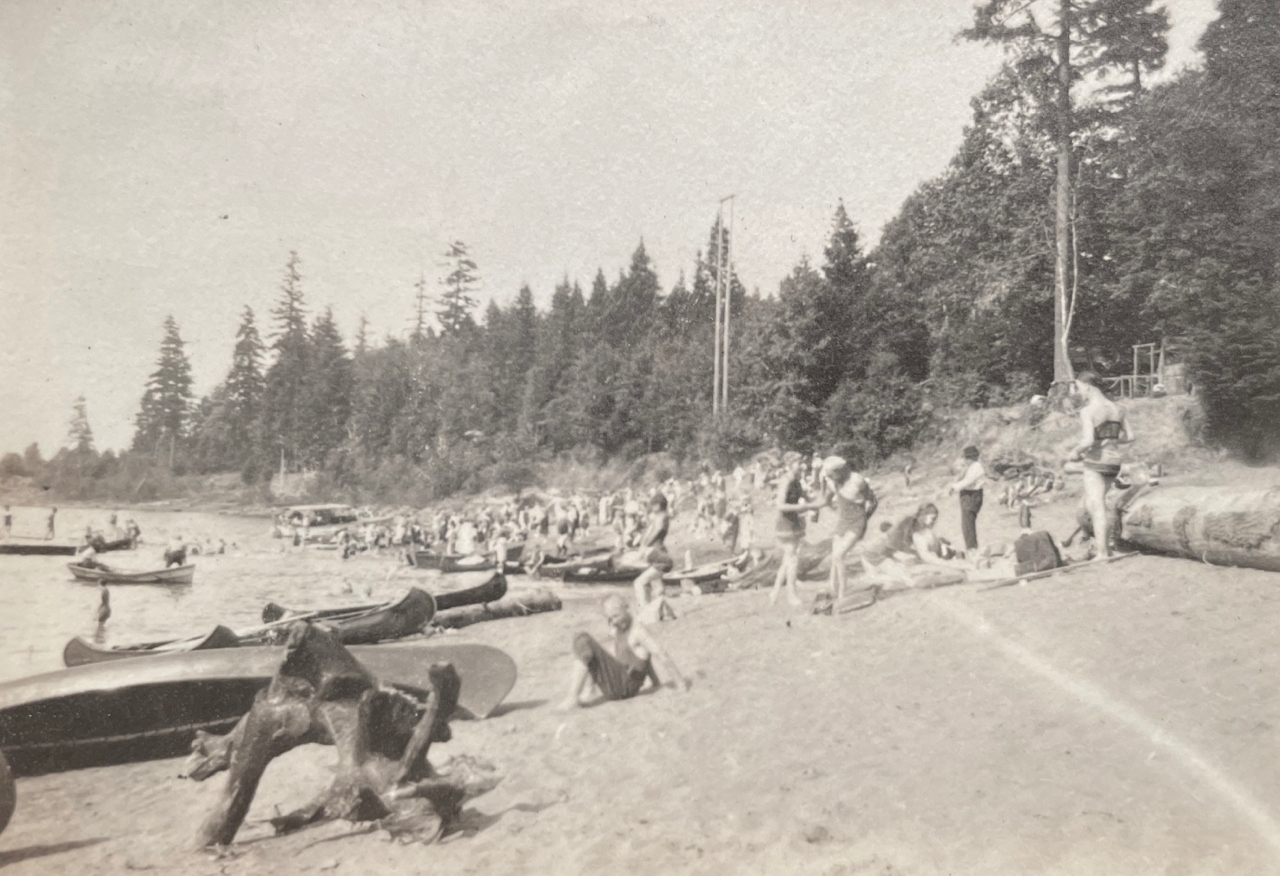
On Swan Island north of downtown, the beach in summer was filled with canoes that brought young Portlanders over the waters to sunbathe, picnic and camp.

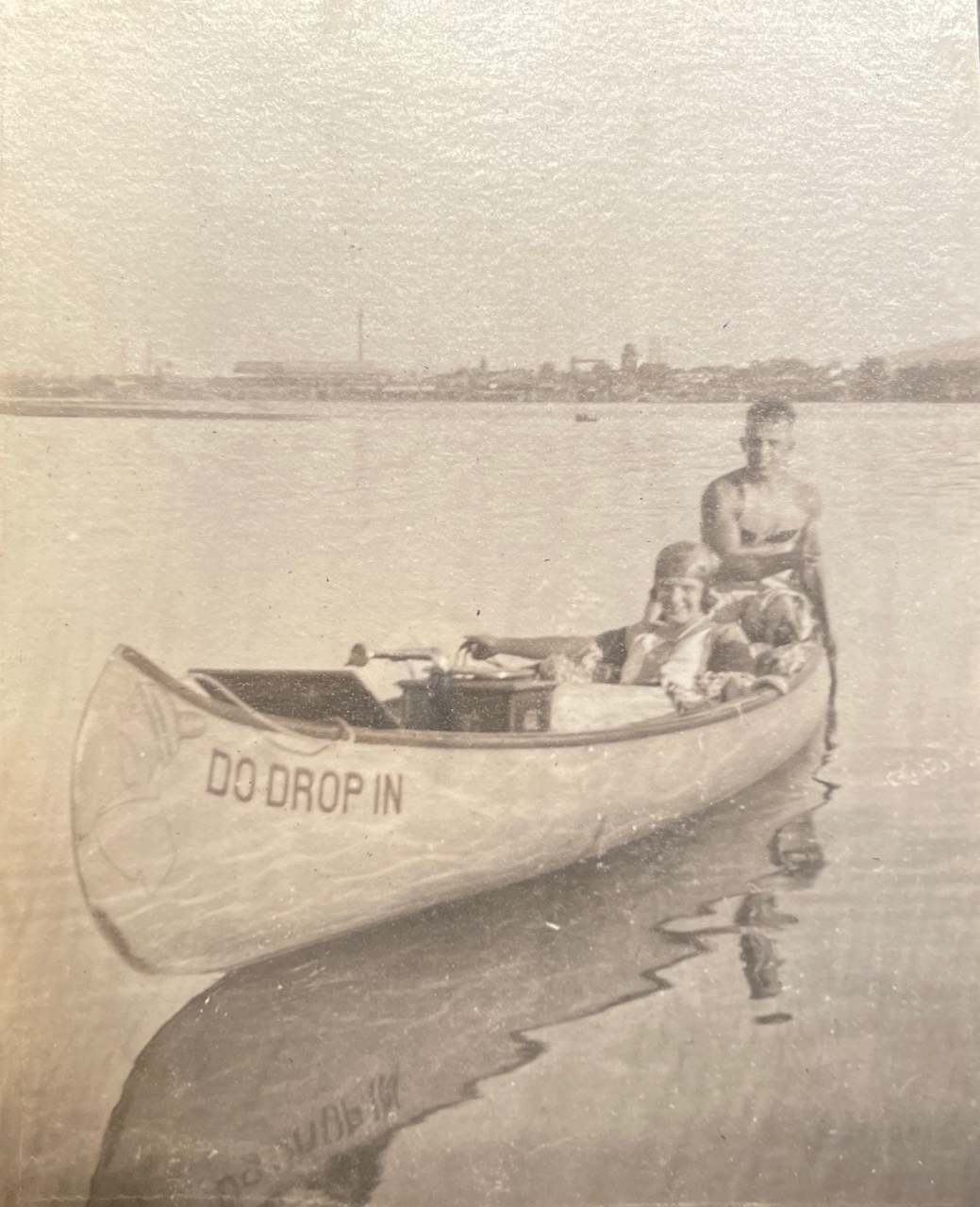
Looking toward downtown from near the beach on Swan Island. Note the Victrola record player in the front of the canoe. The Victrola and its records, picnic boxes, bags of clothes and camping gear show up as payload in multiple photos. Summer 1919.

Handed down family stories describe young people swimming among and playing on the many rafts of logs that were tied up along the Willamette banks awaiting use by local sawmills. During these years, log rafts lined both shores from the Sellwood Bridge to St. Johns.

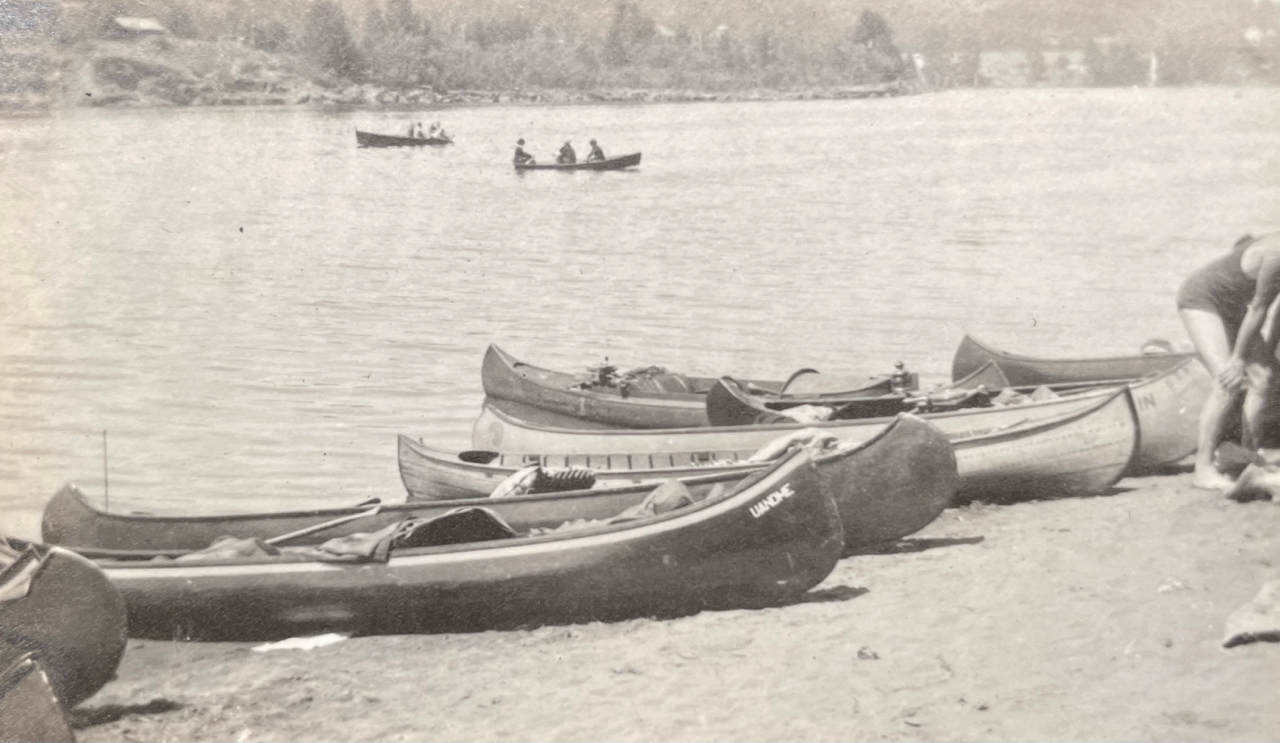
Taken on the western shore of Swan Island looking to Portland’s west side, with two canoes. The sawmill on the far side of the river is the Northern Pacific Lumber Company mill located in the vicinity of today’s Terminal 2 on NW Front Avenue. The very large building in the background is the old St. Vincent Hospital located on Northwest Westover. A log raft is visible anchored just off the near shore behind the canoes. Summer 1919.

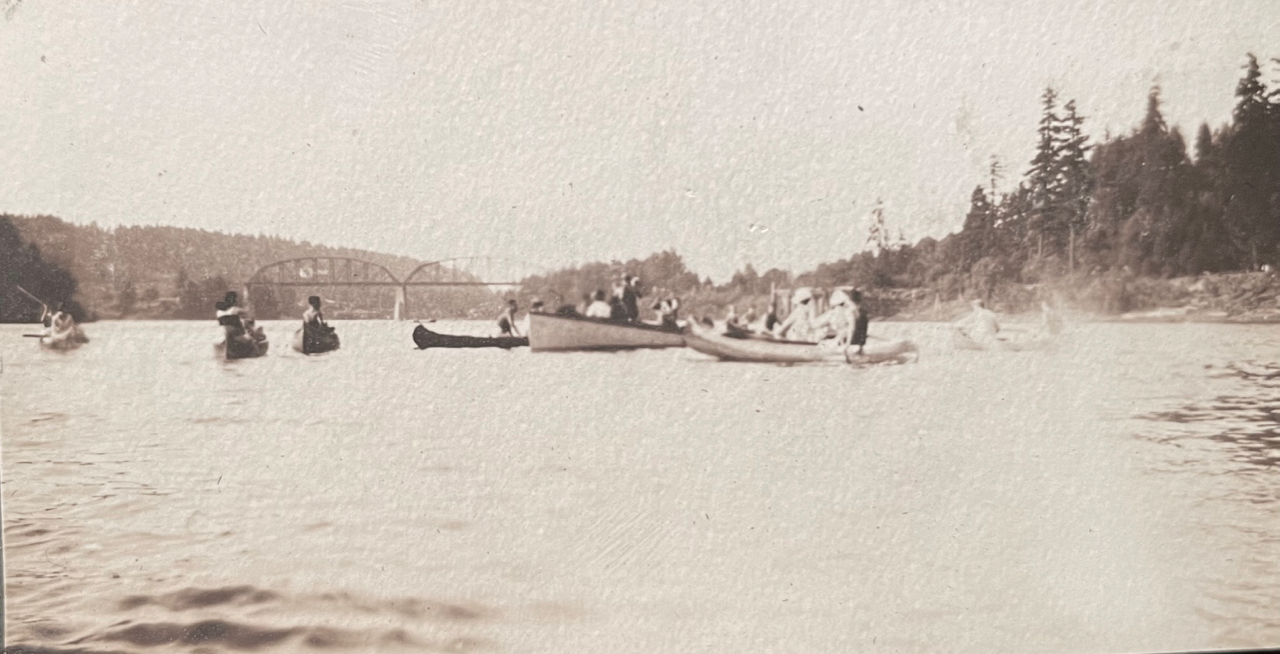
Family members enjoyed paddling farther south, around the Milwaukie bend at Elk Rock Island and upstream under the Union Pacific Railroad Bridge at Lake Oswego to the vicinity of today’s River Villa Park, a nice six-mile paddle from the northern tip of Ross Island.

Elk Rock Island, Summer 1919

Looking north toward the Union Pacific Railroad Bridge at Lake Oswego (built in 1910), which is still in use and marks the northern edge of today’s River Villa Park in Oak Grove.

But by the mid 1920s, Portland’s recreational relationship with the river was about to take a major turn, due to health concerns resulting from the reality that the city’s raw sewage went straight into the river.

From the Oregon Journal, July 31, 1924

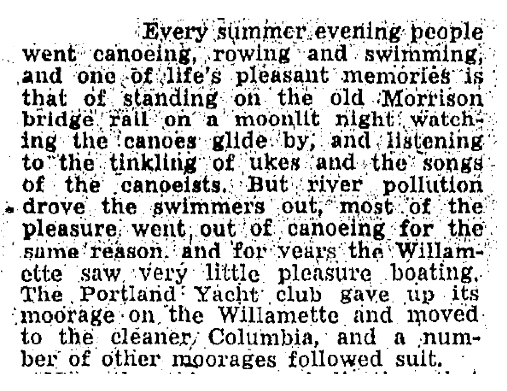
The shutdown relegated moonlight canoe trips to wistful memories a generation later. Below, from the Oregon Journal, May 5, 1946.

Next: More about Windemuth and Willamette River water quality in 1924. Special thanks to Steve Erickson and the Schaecher family for allowing us to share these amazing photos.