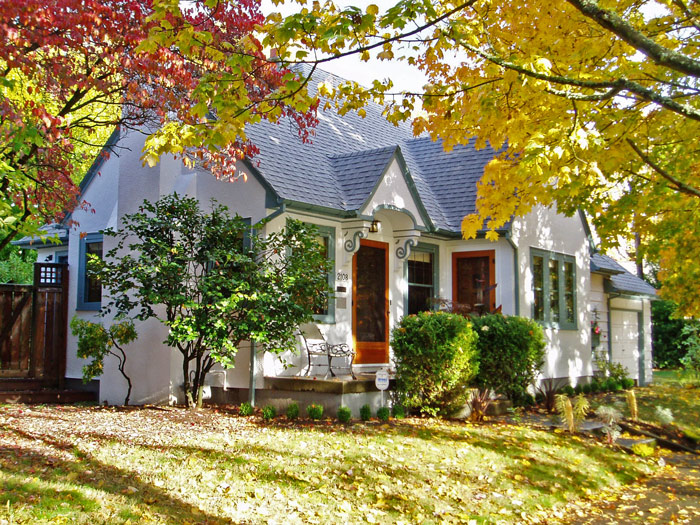
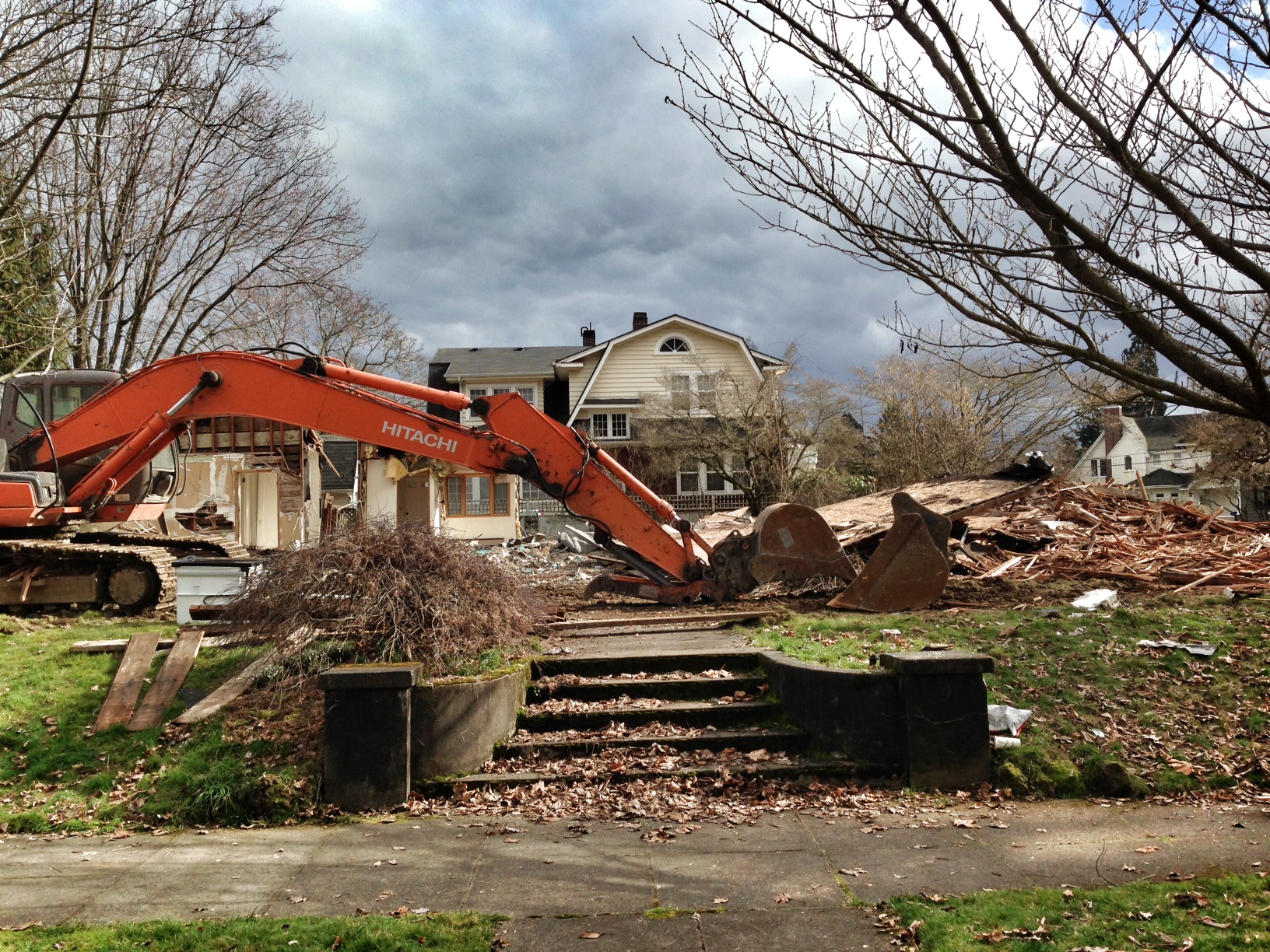
If you live on a block that has a small house on a corner lot, or maybe a home that has experienced some long-deferred maintenance or structural compromise, chances are you’ve been wondering or worrying about the current spate of tear-downs underway in northeast Portland.
The fear is alive and well here in our Alameda neighborhood, where we recently lost a 1922 Craftsman bungalow that is being replaced with two 3,000-square-foot, attached, three-story giants on a corner lot. See for yourself:
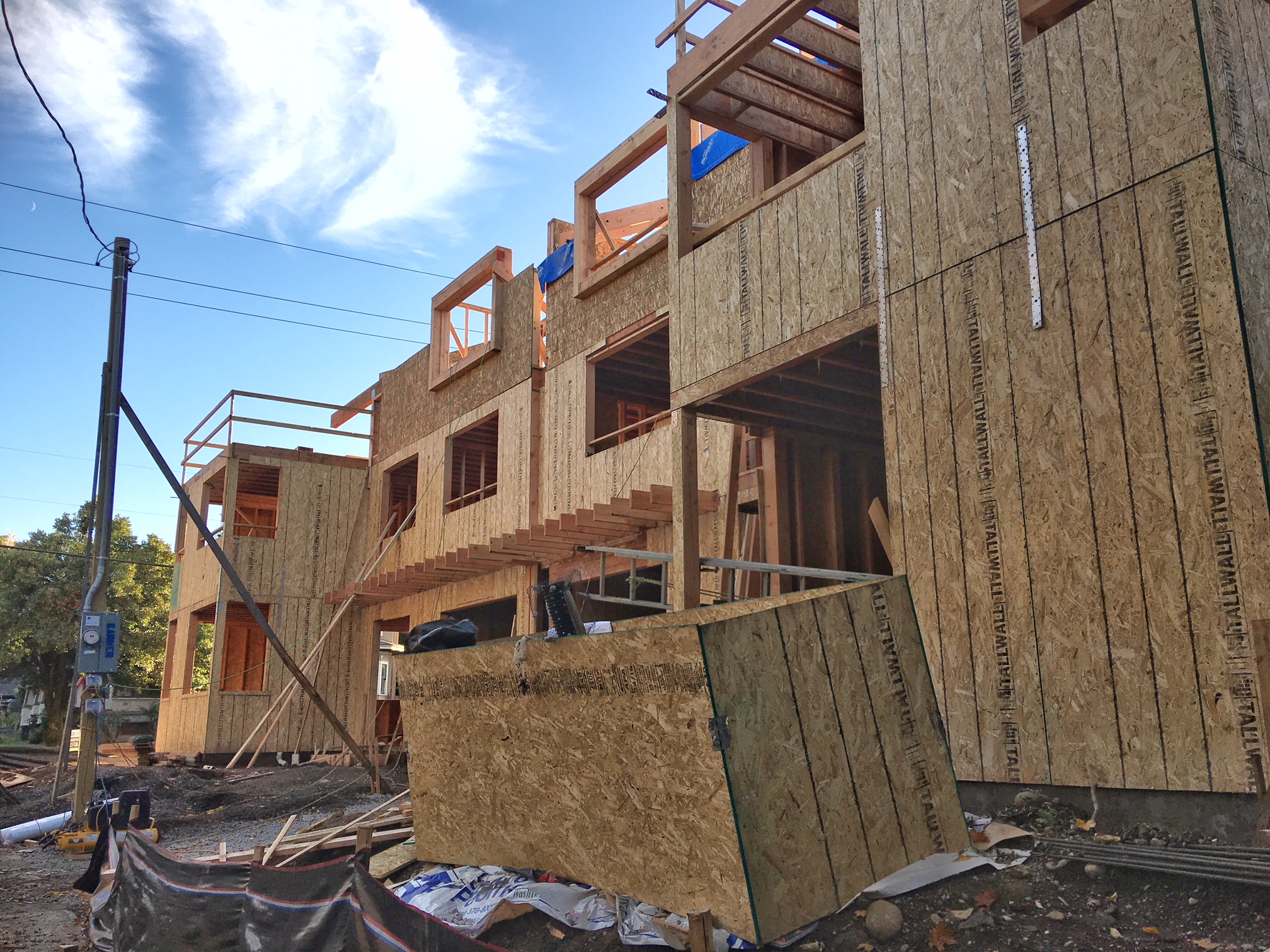
The northwest corner of NE 30th Avenue and Skidmore, October 2017. Site of the former Kettleberg home, built in 1921.
These days in our neighborhood, homeowners are looking up and down the street and wondering which house will be torn down next, or if the eventual buyer of their own home will tear it all down and build new. No one wants to wish this on their neighbors or lose the family memories and history of their own home.
In the last two months I’ve been contacted by worried neighbors, AH readers and others who share a sensitivity to and appreciation of older homes. People ask what can be done, could I help them research the house, am I interested in buying or helping them with their fixer-upper?
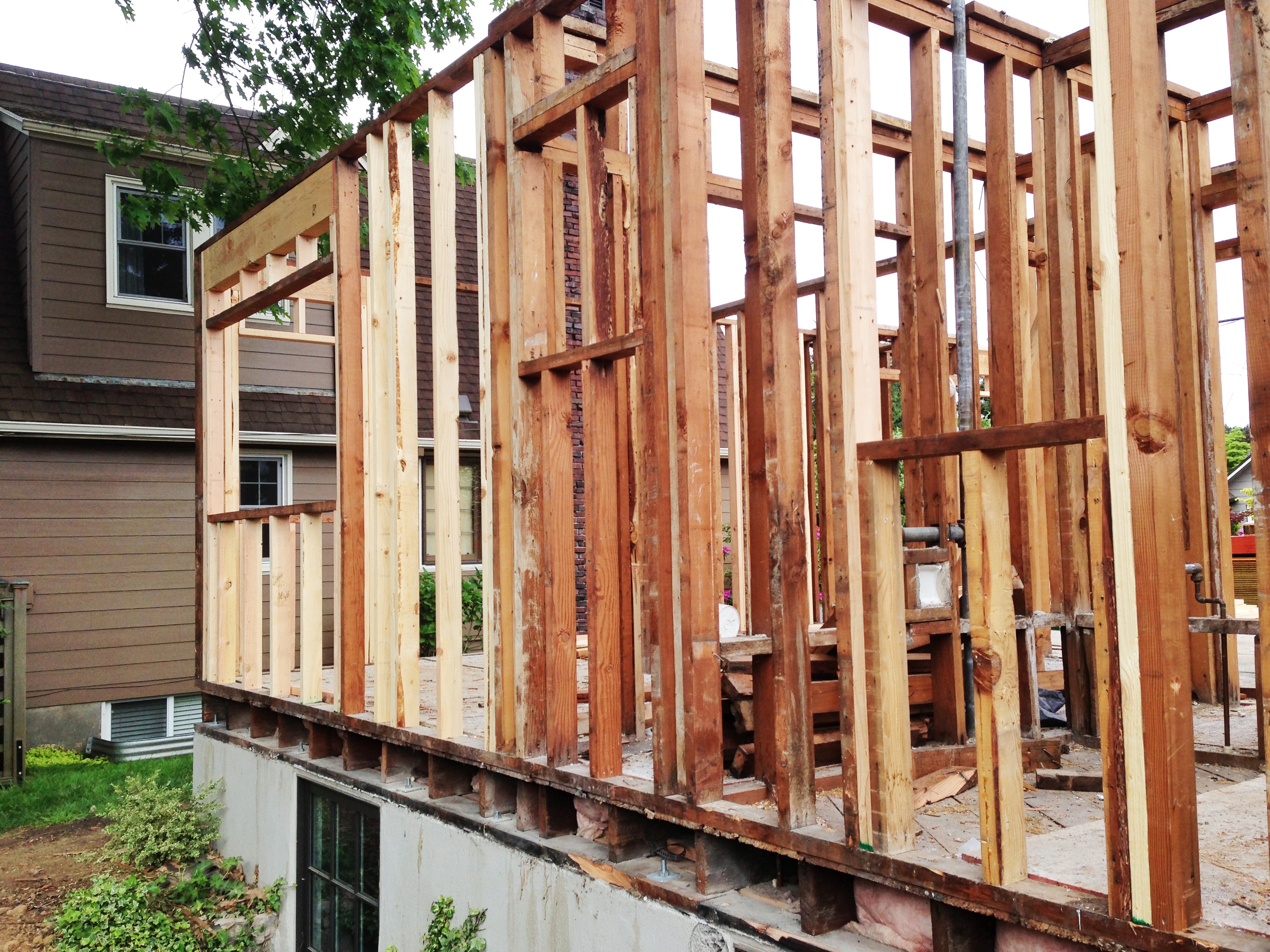
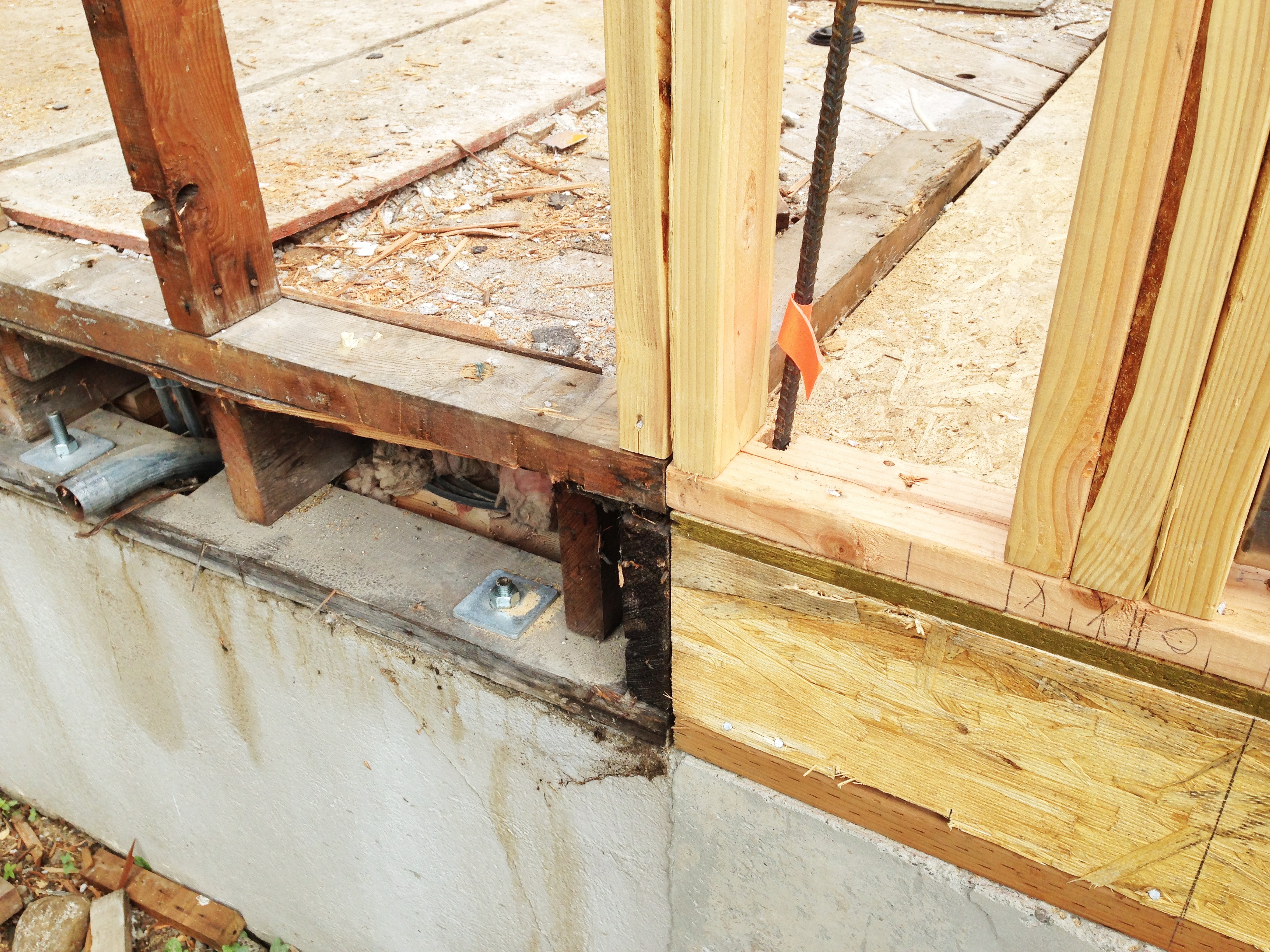
Remember when fixer-uppers were even a thing? A bargain, a project, something possible? Today, fixer-uppers tend to get torn down. There are some notable exceptions, like this courageous project we’ve been watching closely in the Concordia neighborhood.
The reality is, there’s not much neighbors can do to fend off a tear-down next door or down the block. The city’s recent policy discussion about the tear-down trend—contained in the Residential Infill Project (RIP)—identifies the concern and offers some movement on the scale and size of new construction after tear downs, but doesn’t offer neighbors much in the way of influencing specific tear-downs.
New construction built in the footprint of residential tear-downs or lot conversions has been shockingly insensitive and out of scale to its neighbors. Just look at this charm-free apartment-block-like building now almost completed in the middle of a residential Beaumont neighborhood. Would you like to live next to that?
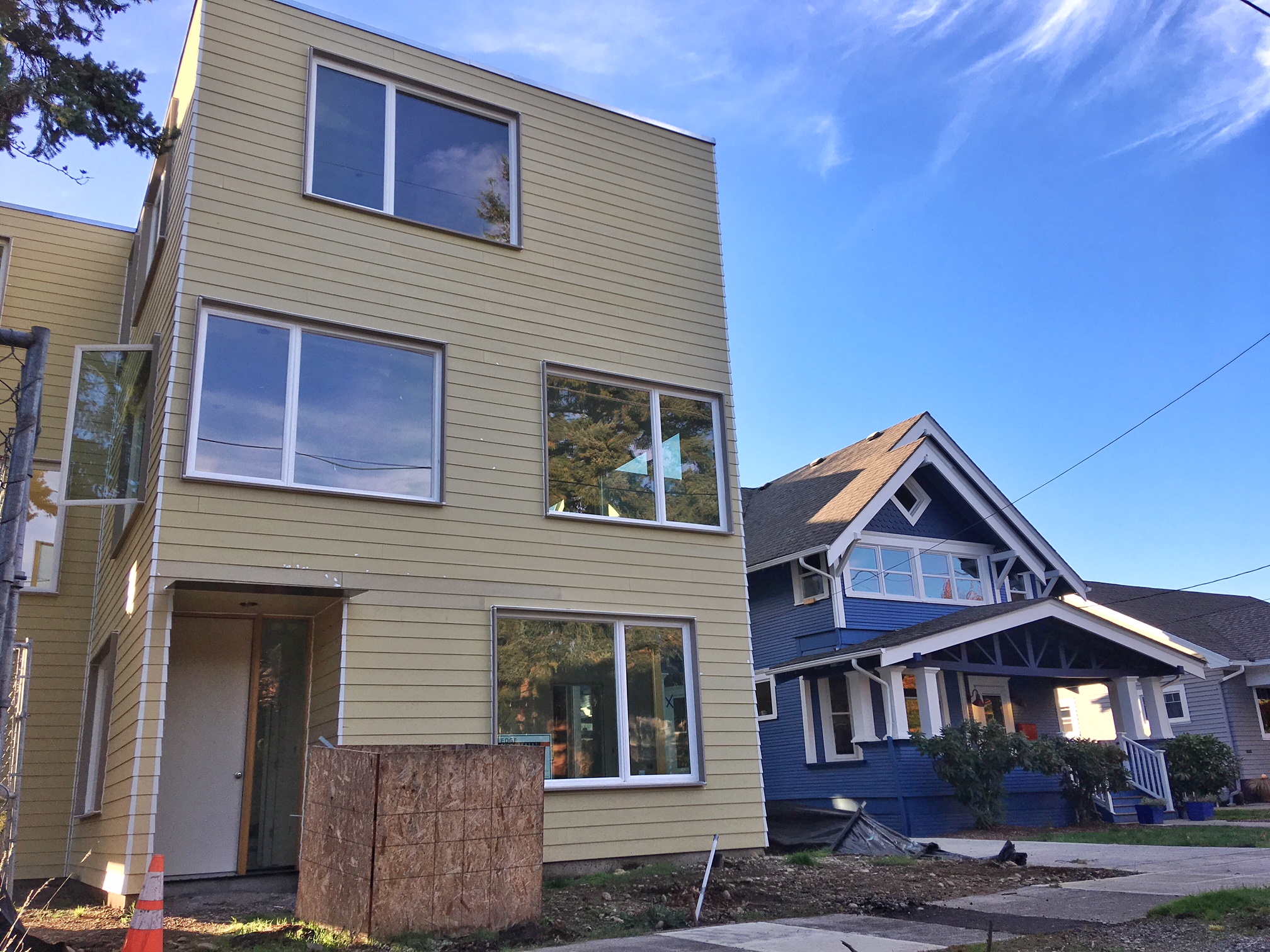
The northwest corner of NE 43rd and Klickitat, October 2017
We’re not anti-development, and we celebrate Oregon’s land use planning framework that protects primary natural resource lands by focusing growth within urban growth boundaries. But before it’s too late, we must help city leaders understand the new fear lurking in old neighborhoods and how the tear-down trend is reshaping the corners and the feel of our residential streets. Frankly, we’d rather write about our ongoing research and the fascinating history of our local buildings and neighborhoods. But the tear-down trend is too pressing and impactful to not bring it to the top here from time to time.
We recommend the Portland Chronicle, a website devoted to publishing the most recent list of city-approved demolition permits. It’s a website I’ve shared multiple times with anxious readers and neighbors wondering if their block might be next; a radar screen of sorts that surfaces and then tracks the sad parade of doomed homes and lots, many of which are in Portland’s older eastside neighborhoods.
One interesting and innovative solution we’ve learned about comes from natural resource conservation circles, called a “conservation easement” that restricts future demolition for certain qualifying properties. Though not in widespread use—and not for every property—it can be a tool for homeowners to protect their properties.
Another creative and admirable approach has been neighbors coming together to purchase and refurbish “fixer uppers” that might otherwise be headed for a tear down.
We’re looking for examples. Wiling to share your story of neighborhood anxiety and wonder, or creative solution?













 Alameda Old House History