Then and Now | Alameda Park Community Church

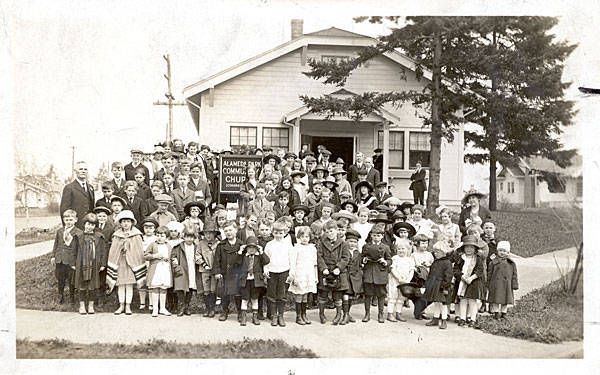
church-1923DSC_0012

In 1923, the Alameda Park Community Church was freshly built and attracting children from throughout the neighborhood. Construction of the church the year before created quite a stir and was even delayed due to a court injunction (check out this post which tells that story), but the building was eventually allowed to be sited in the triangular property near the corner of NE Regents and Mason. This view is looking north, standing at the southern tip of the triangle. Houses in the background of the 1923 photo are still there, but no longer visible due to vegetation and more recent construction (including a new wing of the church, visible on the right in the color photo). Click either photo to enlarge.

Known originally as “the bunaglow church,” the design of the building was carefully chosen to fit into a neighborhood fixated on building restrictions that prohibited everything but residential structures. Today the building is the home of the Subud Center.

Alameda Then and Now

In the course of research over the years, we’ve come across quite a few pictures of neighborhood homes, which we’ve always squirreled away into the archive for some future use. Many of them are grainy, some are half-toned from old newspapers. Some have coffee spilled on them. Each one tells a story, particularly when paired with a contemporary photo of the same view.

With the start of the new year, we’re inaugurating a regular feature that we call “Alameda Then and Now” to plumb the archive a bit and explore how time has changed the face of the neighborhood (or not, in some cases). The rule is that the then picture has to be before 1962, and the earlier the better. We’ll be pulling from our archive and will do our best to stay within the footprint of the Alameda Park plat. If you have images we should consider, please pass them along.

We’ve created a category here on the blog, and a menu button on the top right which you can use to check back on the growing collection.

Like a family’s picture album, the faces of our homes contain precious tales of our life and times.

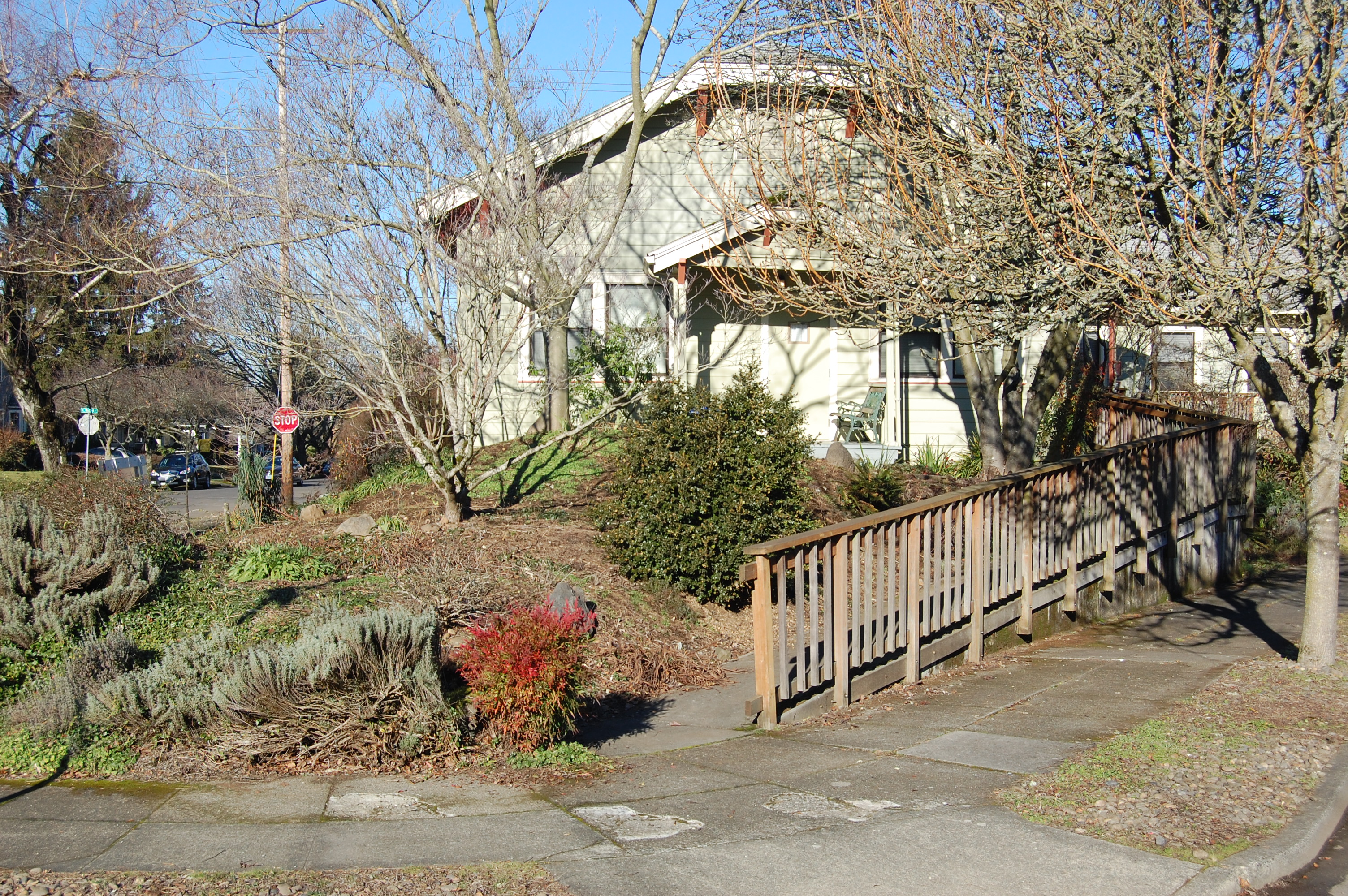
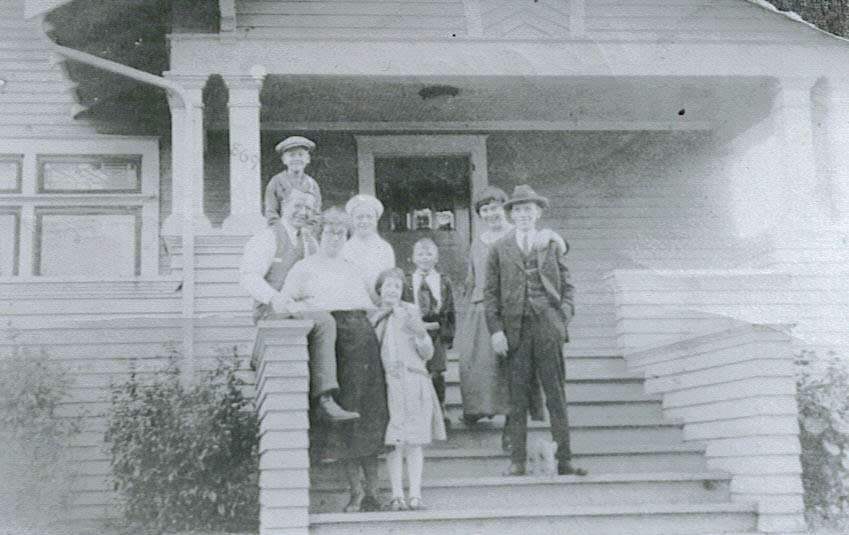
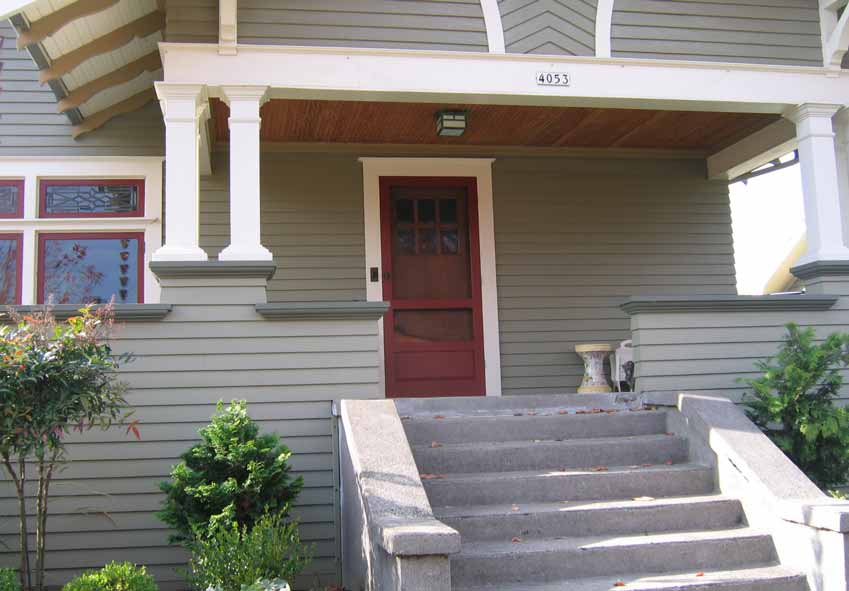
This pair is a little eerie, like the family just stepped out of the frame.  The house, located on NE 30th Avenue, is substantially the same as when it was built in 1912. In the top photo, the Morrison family gathers on their front porch, about 1920. Below, the same view today. The wooden steps are long gone and the columns and porch walls have been restored, but the decorative rafter tails, door, windows and siding are the same this family knew almost 100 years ago. Click on each image for a larger view.

Stay tuned for the then and now next pair…

Mark your calendar: Alameda History at the Mission Theater and Pub, Monday, January 13

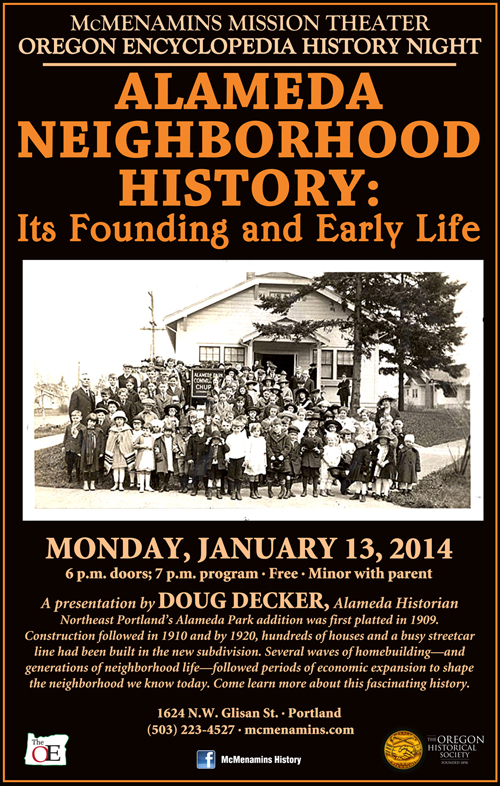
After a pause in our ongoing quest and passion for Alameda history, we’re back on track in the New Year with a free program as part of the Oregon Encyclopedia History Night series, at 7:00 p.m., Monday, January 13 at the Mission Theater in Northwest Portland. Consider yourself invited.

In pictures and words, we’ll track the early development of Northeast Portland’s Alameda neighborhood, profile key builders and building styles, and share a social history of the homes, families and changing generations of this 100-plus-year-old neighborhood.

Come experience how these layers of local history add up to a deeper understanding of the neighborhood today. This updated presentation will touch on Alameda School, the Pearson Ponderosa Pine, Wilshire Park, the Subud Center/Alameda Park Community Church, the Broadway Streetcar and other institutions and businesses that have defined Alameda life over the years.

It’s free. The beer is good. You might see your neighbors and other history-inclined folks.

7:00 pm, Monday, January 13 at the Mission Theater, 1624 NW Glisan, Portland.

Recovering Alameda real estate market means an increase in construction activity

Alameda residents have been building, rebuilding and changing the neighborhood now for more than 100 years. While most of the initial home construction in Alameda took place in the 1920s, a look back through historic building permits reveals a constant stream of repair, remodeling and renovation. History-inclined neighbors with an appreciation for period detail will agree that some of this work has been for the good, and some…well. That’s life: change is the constant.

This spring, change continues to shape homes here in Alameda. A strengthening real estate market, low interest rates and an improving overall economy have meant homeowners and developers are more willing to invest in work.

Alameda and other nearby northeast Portland neighborhoods have experienced an 18.4 percent increase in real estate values over last year at this time, according to the Portland Business Journal. In the first quarter of 2013 alone, there were 62 pending and closed property sales in the neighborhood. The result of this strengthening market is plainly visible in the form of renovations, additions, complete tear-downs, and partial re-builds.

Here are a few of the visible projects we’ve seen progress on during our walks through the neighborhood. Not an exhaustive inventory of major works underway, but a list of interesting projects to watch.

28th and Hamblet

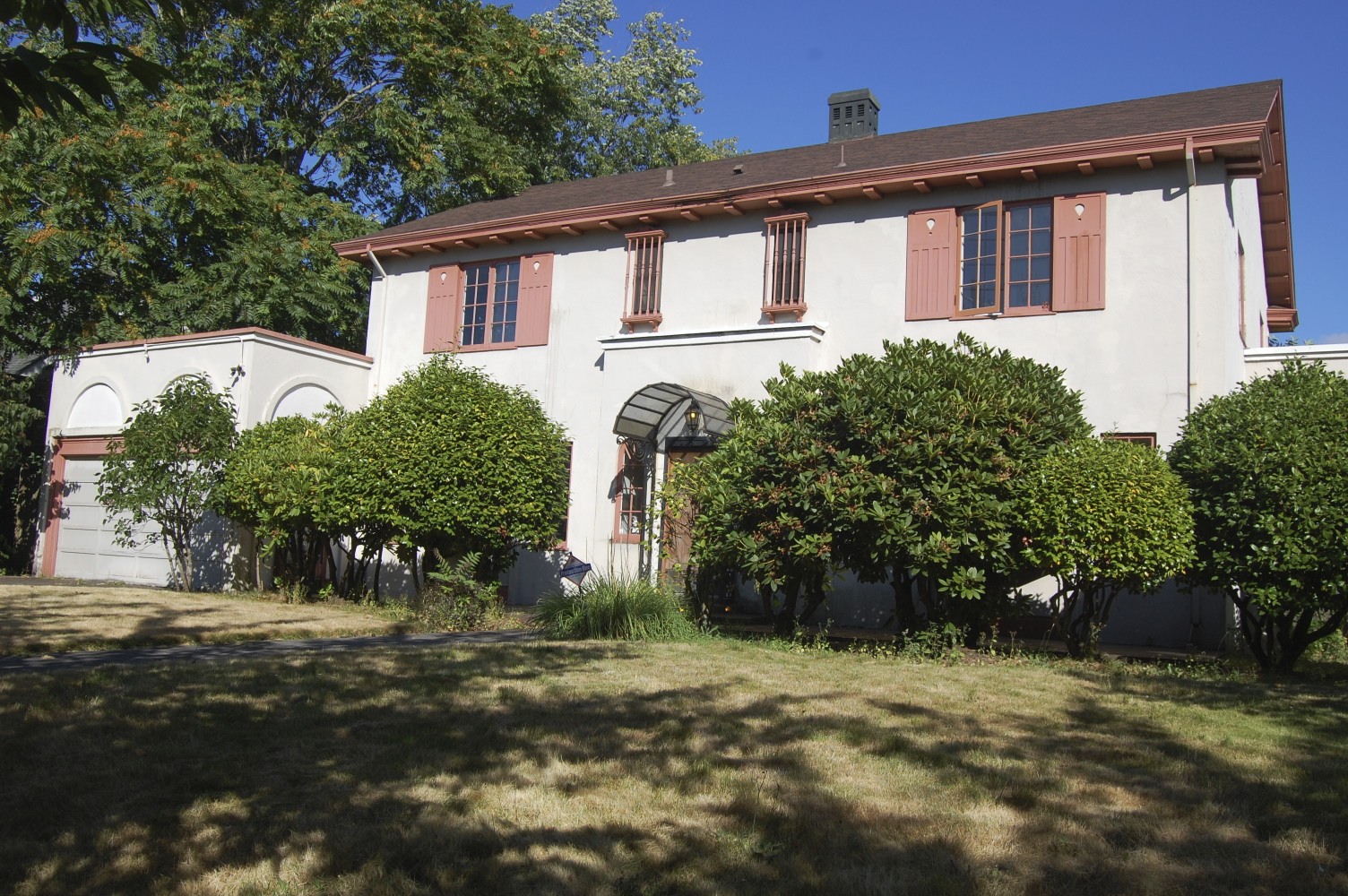
As of mid-May, this double lot just north of the Alameda Ridge is a hole in the ground where once stood a stately 1922 Mediterranean style home built by Frederic Bowman. The home was demolished in February, and the lot subdivided in two. As a demonstration of Portland’s policy on infill development and the improving market conditions, developers of this project closed the door on the possibility of adaptively reusing the original structure, subdivided the lot, and decided to start over from scratch. Neighbors had to say farewell to the historic home, and now get to watch as construction of two houses unfolds—both with architectural styles that will attempt a linkage with the past.

IMG_0766

37th and Bryce

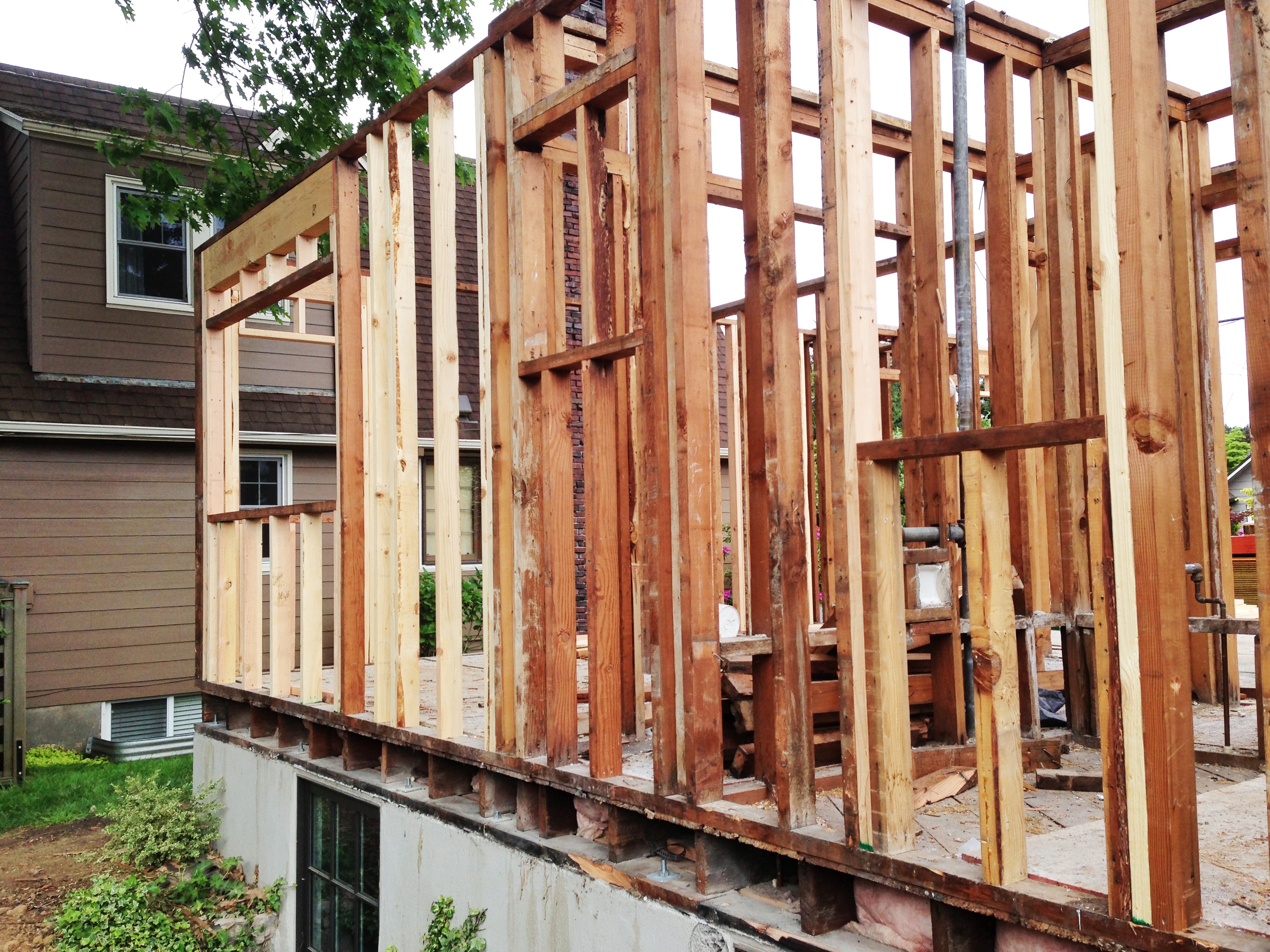
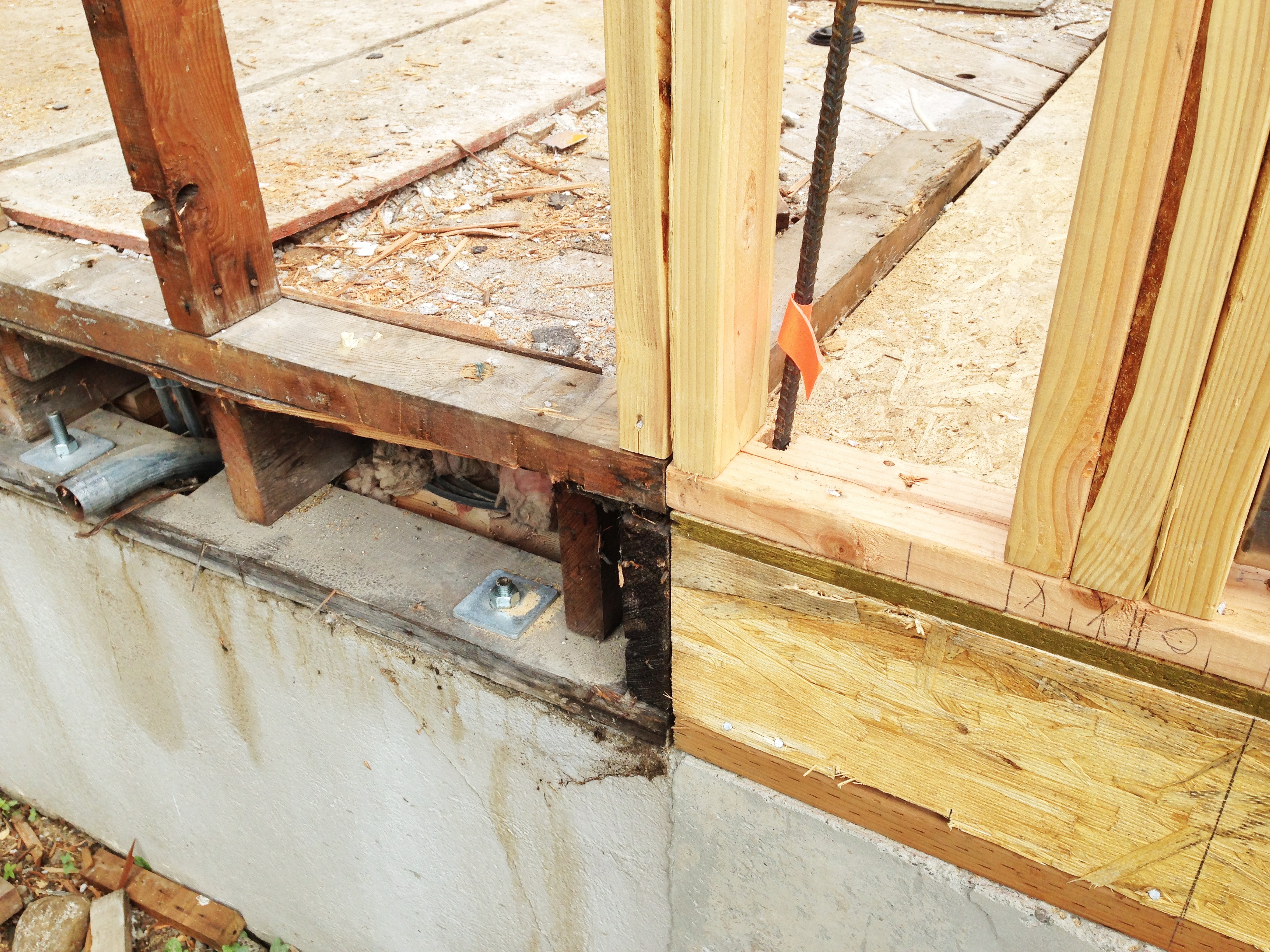
OK, it’s technically just east of the Alameda neighborhood, but it’s a particularly interesting project to watch because the new structure is using some of the original materials and structural elements. We watched as the house was disassembled this spring and it looked like much of the original building material was stacked and recycled (unlike the demolition at 28th and Hamblet). Entire interior partition walls are being repurposed, and even window headers and doorframes now feature some old and some new material. Original foundation walls have been retained and new sections added. We remember this as a bungalow.

Image 2

This home at NE 37th and Bryce presents a reuse of existing structures and new materials. The old framing lumber appears dark in this picture, and new material is a lighter color.

Image 3A detail of the home at NE 37th and Bryce showing the original foundation, exterior wall and flooring system (left), joined with a new foundation and materials (right). Construction and remodeling projects across the neighborhood this spring are using a range of old and new materials.

21st and Regents

This corner bungalow has received a major facelift this spring. In the past, this house has been unsure if it wants to address the 21st Avenue side or the Regents side. Today, the house connects with both streets in its unusual position at the prow of the neighborhood. Siding, landscape and other upgrades are apparent.

30th Avenue, south of Fremont

Major reconstruction work on the bungalow on the west side of the street in the first block south of Fremont has removed the former Mansard-style roof (which was not original), expanded the footprint, and added back several traditional design elements including columns and a new front porch.

Alameda and Regents

Elements of the original house were retained and blended with a major expansion to the north, a new front porch (still underway), a completely new roofline and exterior shingles on the upper storey.

Mason and 27th

Work on this house is almost done now, but has involved a complete restoration both inside and out. Most of the original fabric of the home is still intact. This has been another interesting one to watch this spring.

One thing is for sure: in a neighborhood of older homes and with an improving real estate market, continued investment and renovation will shape the neighborhood. Do you have favorite home restoration projects you’re watching?

Saying Goodbye

IMG_0772


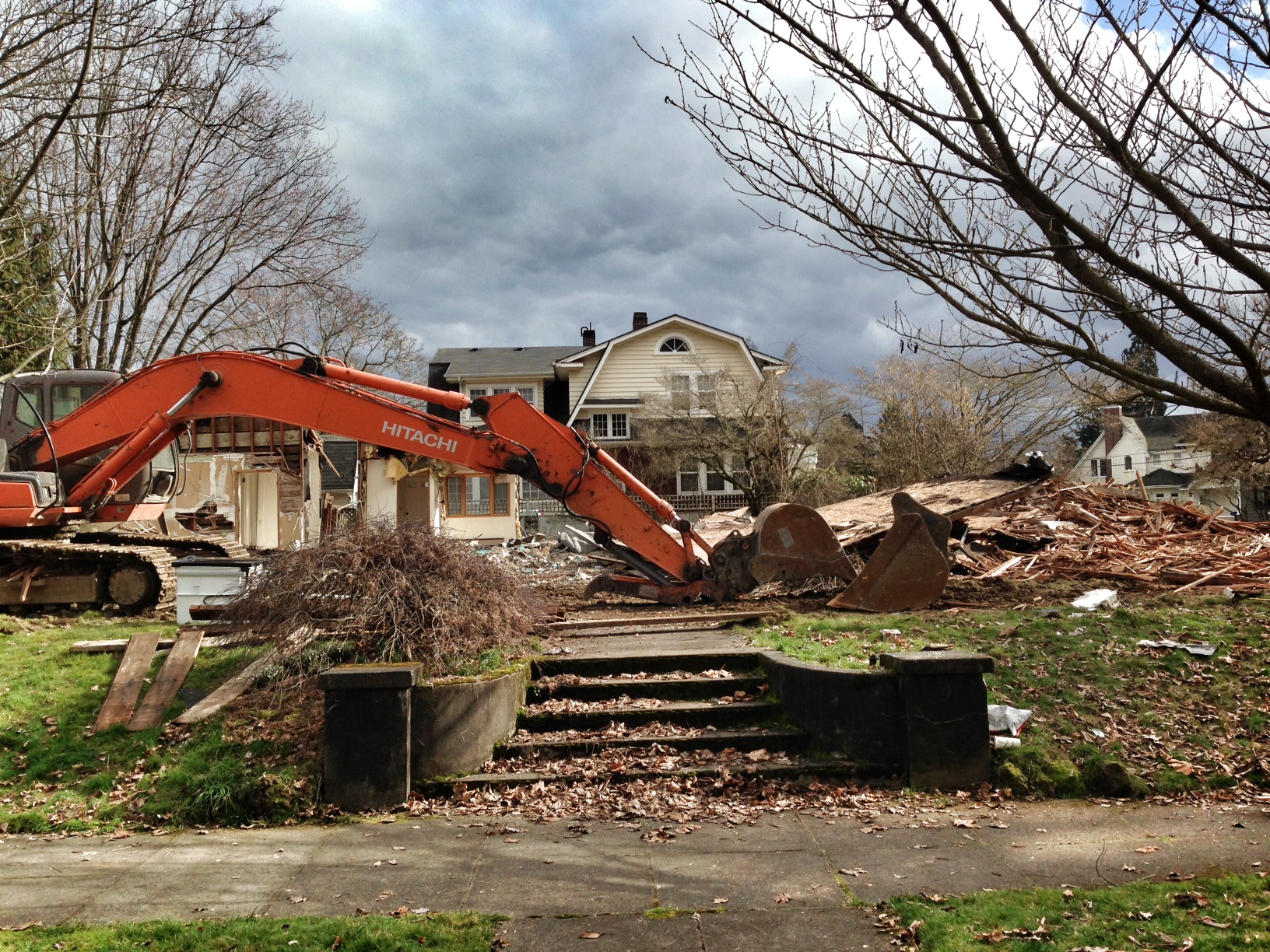
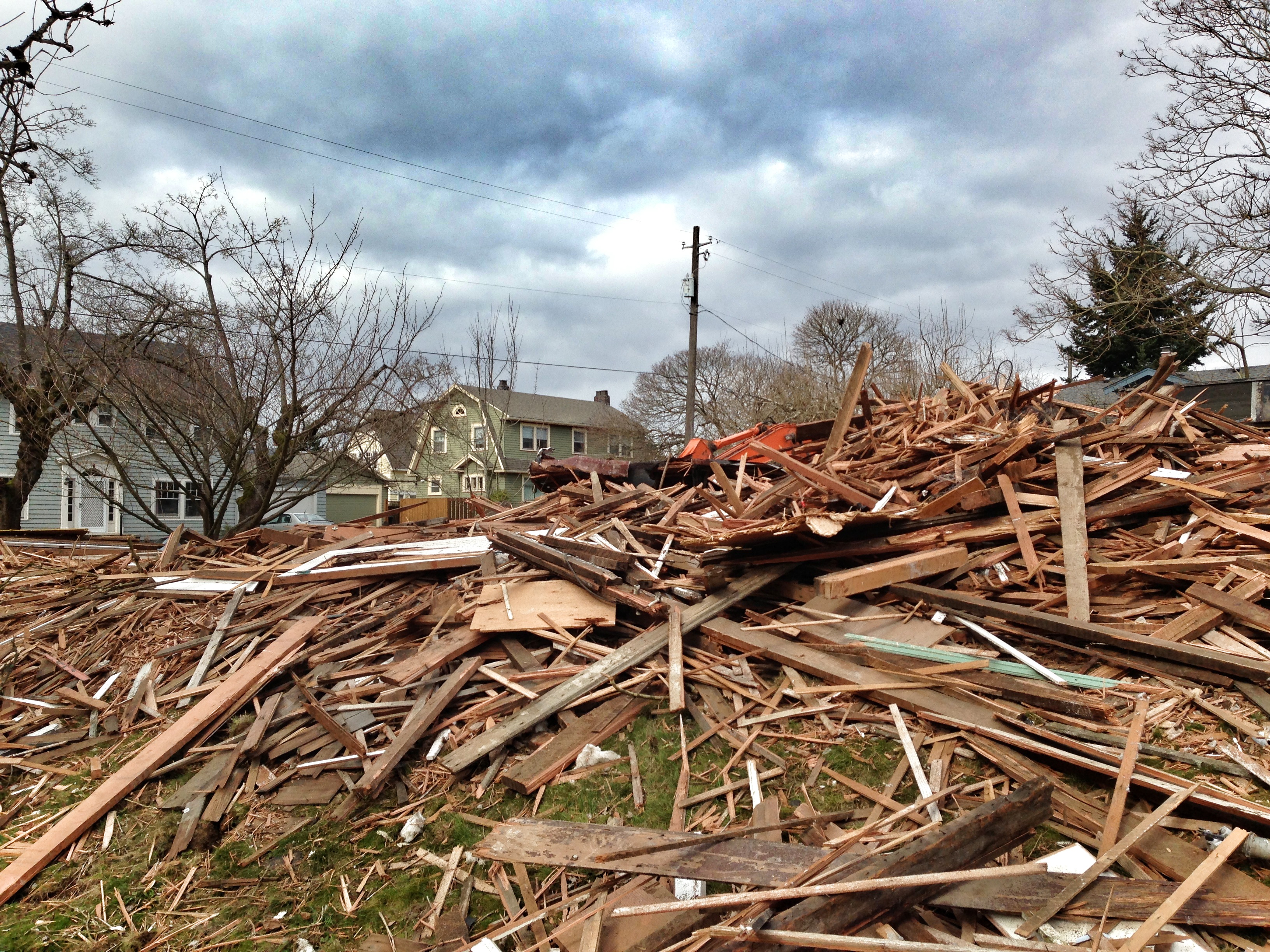
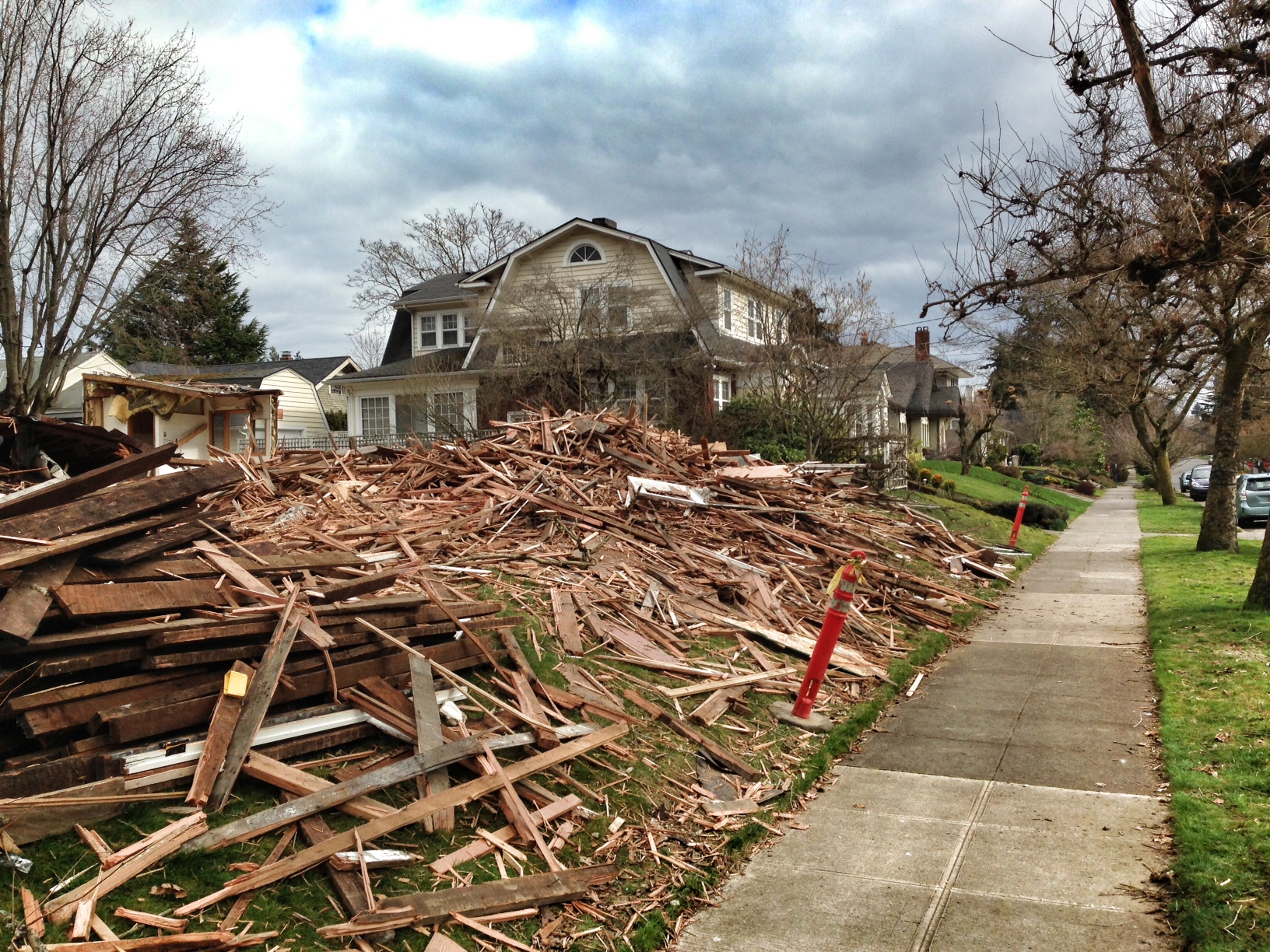
We know change is all around us every day shaping our world, often at a tectonic and invisible pace. An exception this week here in Alameda was the rare, raw and rapid change associated with demolition of the William and Susan Illidge home at 3810 NE 28th Ave.

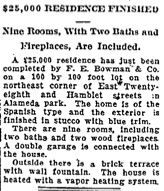
We knew it was going away, this graceful Frederic E. Bowman Mediterranean-style home built in 1922. Last summer we wrote about the plans to raze this vacant beauty and subdivide the big lot in two. We even shared a news story from 1922 noting its recent construction.

Still, there is a raw shock and sadness that accompanies demolition. Splayed out on the ground here at NE 28th and Hamblet—and in piles awaiting a truck—are bits and pieces from 90 years of construction and adaptation. Mom’s favorite tiles here and there. A door to the kids’ room. Tons of lath from the era of plaster.

photo (5)

Gone now are the favorite places and spaces known by four generations of families. Which—as we stand on the sidewalk surveying the mess and trying to imagine two brand new buildings on this spot—makes us appreciate the time-honored aspects of our own home. And the complicated economics of change.


IMG_0766


Sorry to see you go, old time traveler.

Northeast Portland’s Aircraft Factory

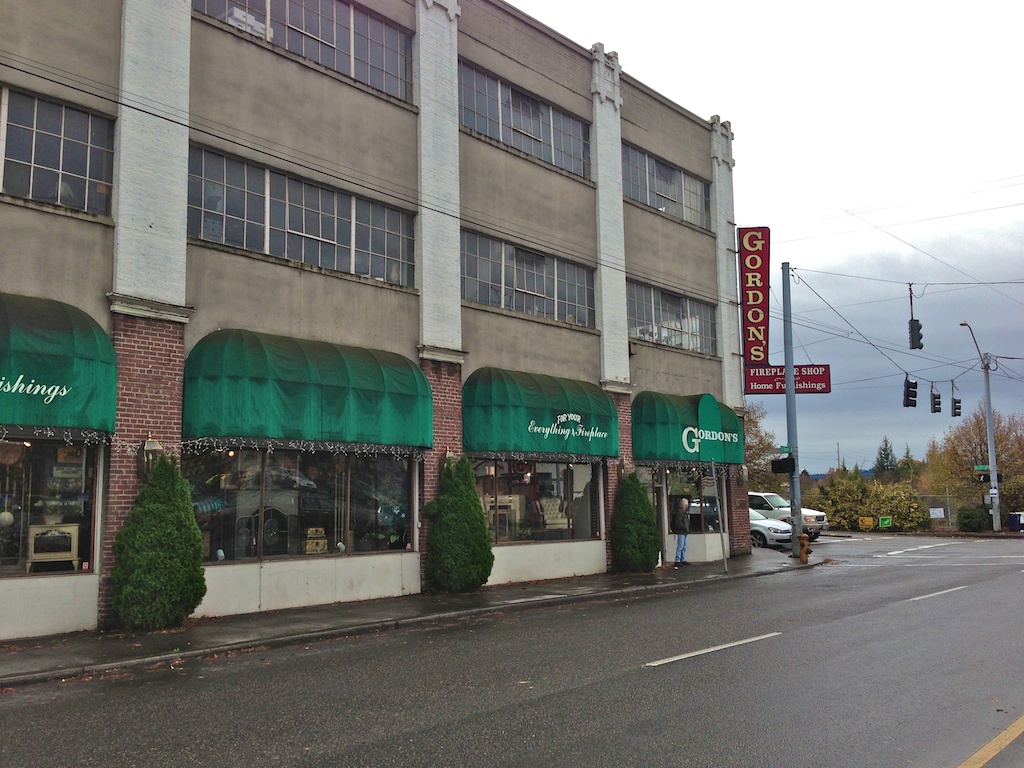
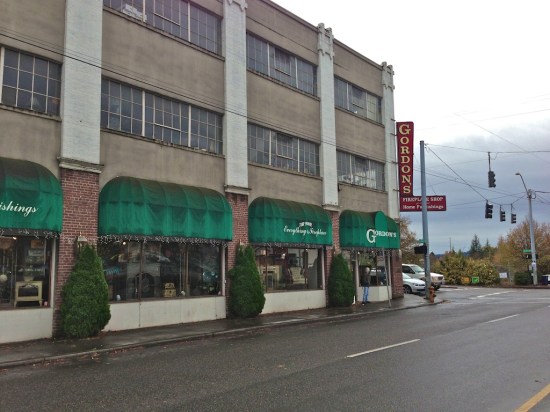
Gordon’s Fireplace Shop, 3300 NE Broadway. Former house-part manufacturing plant owned by Oregon Home Builders President Oliver K. Jeffery and used briefly to manufacture wooden airplane parts in 1917.

One of Alameda’s most prolific home building companies—The Oregon Home Builders, Inc.—is also responsible for building an aircraft manufacturing facility that operated briefly: a building that endures in the neighborhood to this day.

You probably know this building as Gordon’s Fireplace Shop on the southeast corner of NE 33rd and Broadway, or maybe as Tarlow Furniture before that. But in the late 19-teens, after serving as a workshop for house parts and domestic carpentry projects that now reside as built-in cabinets in homes across Northeast Portland, the building moved into full aircraft production mode and began churning out spruce struts, beams and braces for “flying machines.”

First a little context about Oregon Home Builders and its president Oliver K. Jeffery…

Oregon Home Builders, Inc. and its owners had a big vision. They founded the company on a business model that involved selling shares of stock at .25 cents each to investors at large, and building and selling homes. They also built some of Alameda’s prized national register houses, including the Oliver K. Jeffery House at Regents and Shaver, and the Thomas Prince House at Alameda and Regents. Others, including the George Eastman House on Stuart Avenue—designed and built by Oregon Home Builders—should be on the register.

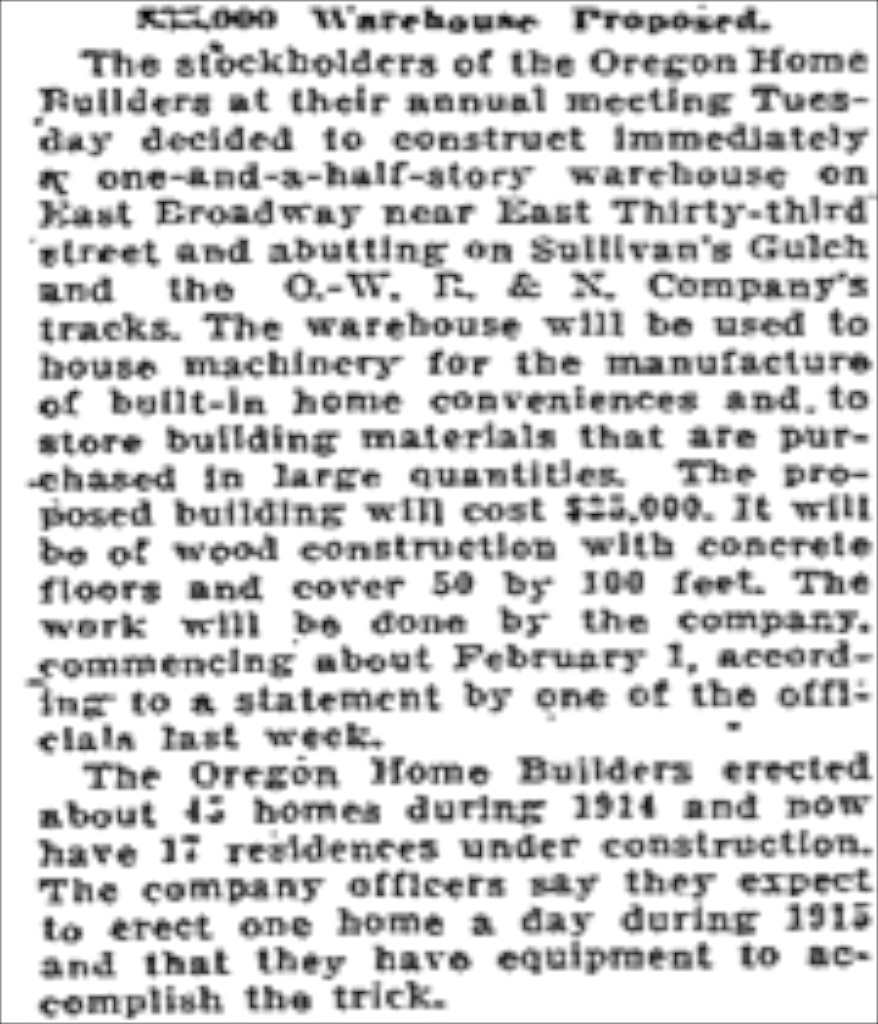
In 1914, the company built 45 houses here in northeast Portland, and drew plans for many more. As a base of operations for this big vision, Oliver K. Jeffery and his colleagues needed a workshop and warehouse near the market they were serving, and near transportation. So in 1915 they set out to build a warehouse on the Oregon Railway and Navigation Line in Sullivan’s Gulch, today’s Banfield corridor. Here’s a snippet that’s a tad fuzzy but readable from the January 17, 1915 pages of The Oregonian.
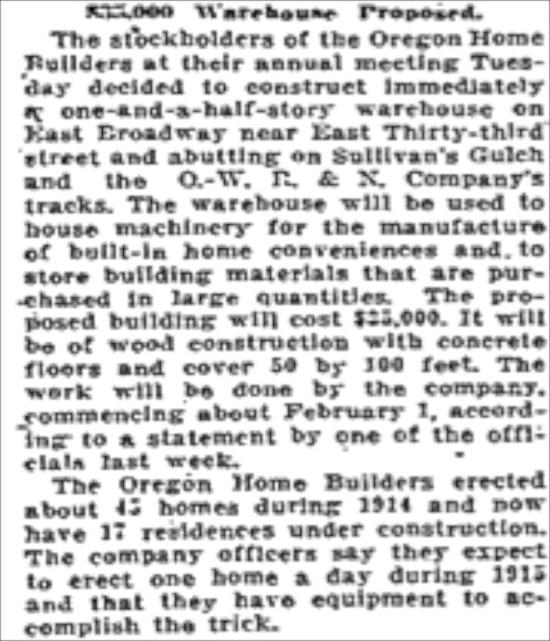
From The Oregonian, January 17, 1915.

But by 1917, O.K. Jeffery’s personal passions were focused more on airplanes than on homebuilding. A charismatic character in Portland business and social life, and a man of means, Jeffery received much coverage in the pages of The Oregonian during these years, whether in his role as a top Rosarian, his very public divorce proceedings, or his role as a trainee tank commander preparing for World War I. The story below in the August 1, 1917 edition focuses on the airplane factory building at 33rd and Broadway.
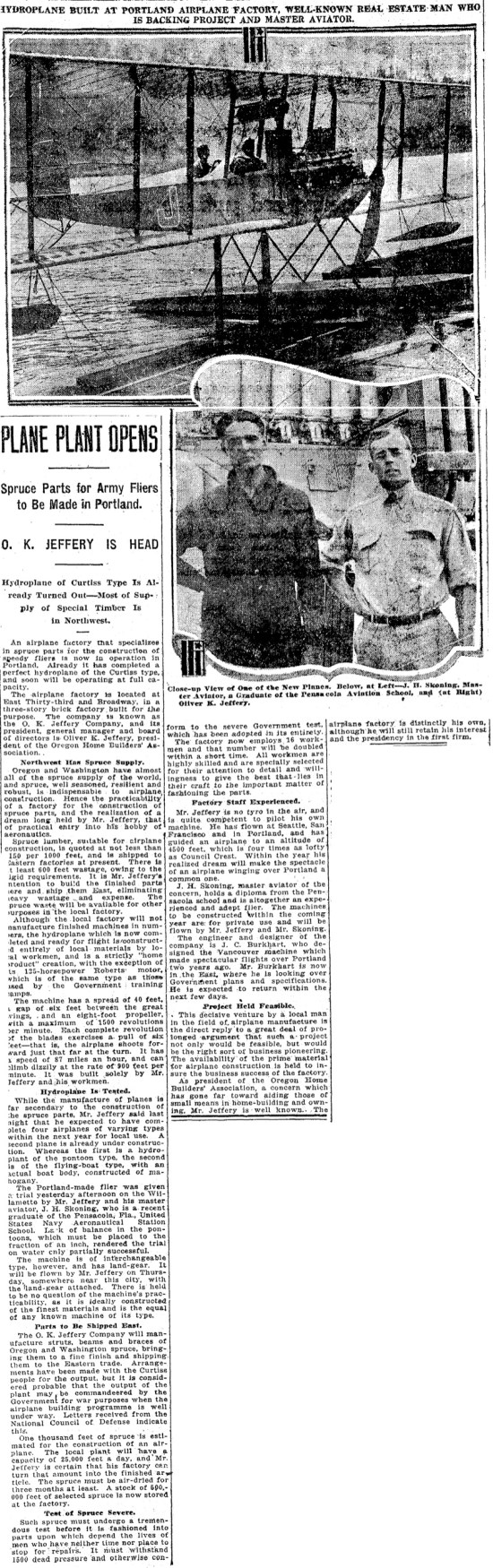
Click to read full size. From The Oregonian, August 1, 1917.

Apparently, there was a lot more going on with this story than meets the eye, (Jeffery’s homebuilding company was in the process of going bankrupt). The factory produced airplane parts for only a short time before running out money, but Jeffery’s love of aviation continued until his untimely death due to blood poisoning from a freak accident in December 1934.

Perhaps like us, you’ve driven by the building a million times and wondered about it. Following on that curiosity, and hoping for clues to the company that might have been forgotten in some nook or cranny in its upstairs floors, we dropped in for a visit over the weekend and can offer the following observations:

The folks at Gordon’s were helpful, and interested in the history of their building (which they’ve been in since 1990), but their collective memory of the building can’t see back around the corner of time. They do have a story here and there about a pasta manufacturing company that once inhabited the building. Some sense of the retail furniture company that operated there for 30 years. And a fabulous picture from 1929 that was first and foremost a portrait of Union Pacific Engine 17 coming around a bend in the track, but secondarily a picture of the building. See the distinctive brick pattern along the parapet? Look also how the building extends quite a ways east around the bend of the gulch.
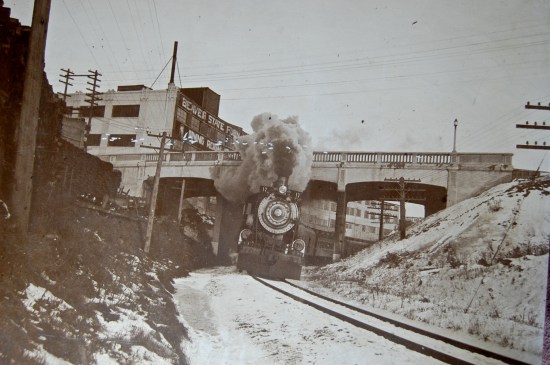
Looking east in Sullivan’s Gulch on January 20, 1929 at Union Pacific Engine 17. The “Beaver State Furniture” building is no longer an aircraft parts factory. The building wraps around the rim of the gulch. Note also how much narrower the gulch is…widened in the 1950s to make room for the Banfield Freeway, requiring replacement of the viaduct. Photo courtesy of Gordon’s Fireplace Shop.

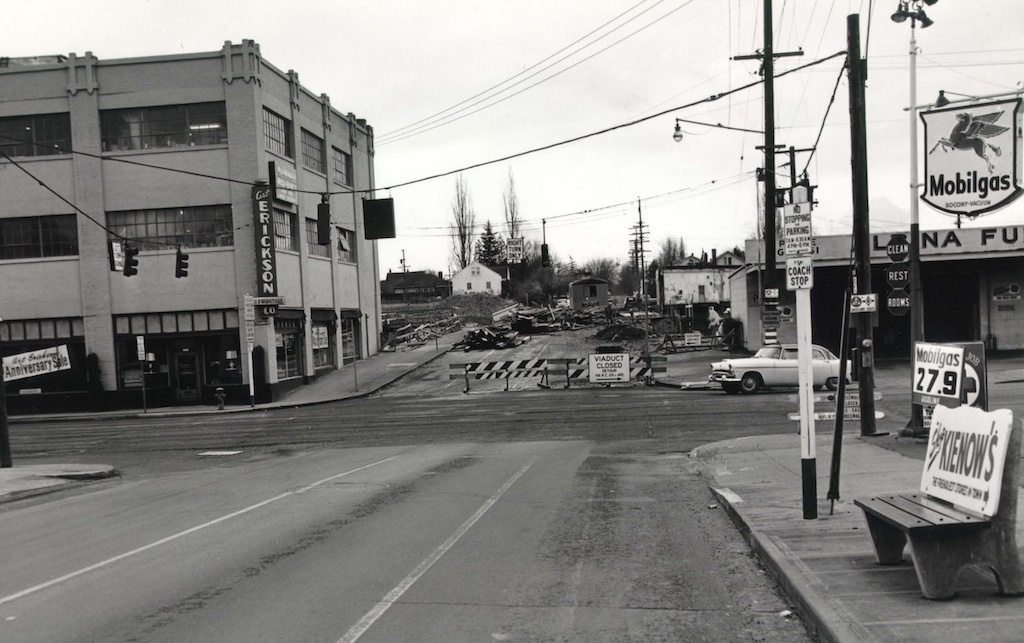
Check out this image below as well, which shows our aircraft factory building in 1956 as Erickson’s Furniture. The new viaduct associated with construction of the Banfield freeway (I-84).
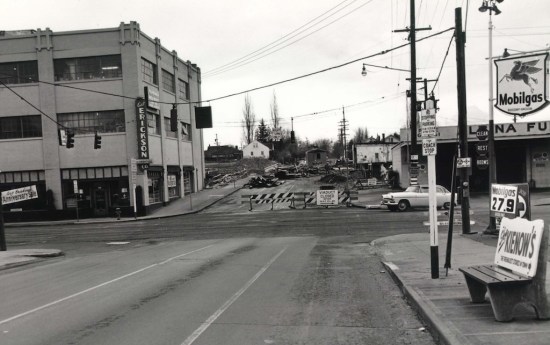
Looking south on Northeast 33rd at Broadway. Construction of a new viaduct. Courtesy of City of Portland Archives. 

During our visit, we learned that the building houses the second oldest freight elevator in Portland, and it’s big. Like a two-car garage that levitates between the first and third floors. It doesn’t take much imagination to see it filled with furniture or spruce airplane parts. But pasta? Hmm.

From the 1960s until 1980, the 22,000-square-foot building was home to Tarlow’s Furniture.

A detailed look at aerial photography of the area over the years (with thanks to Ed McClaran), confirms that the building did indeed once extend east across what is today’s parking lot, and connected up with the building that now houses Rose City Furnishings in the 3400 block of Northeast Broadway.

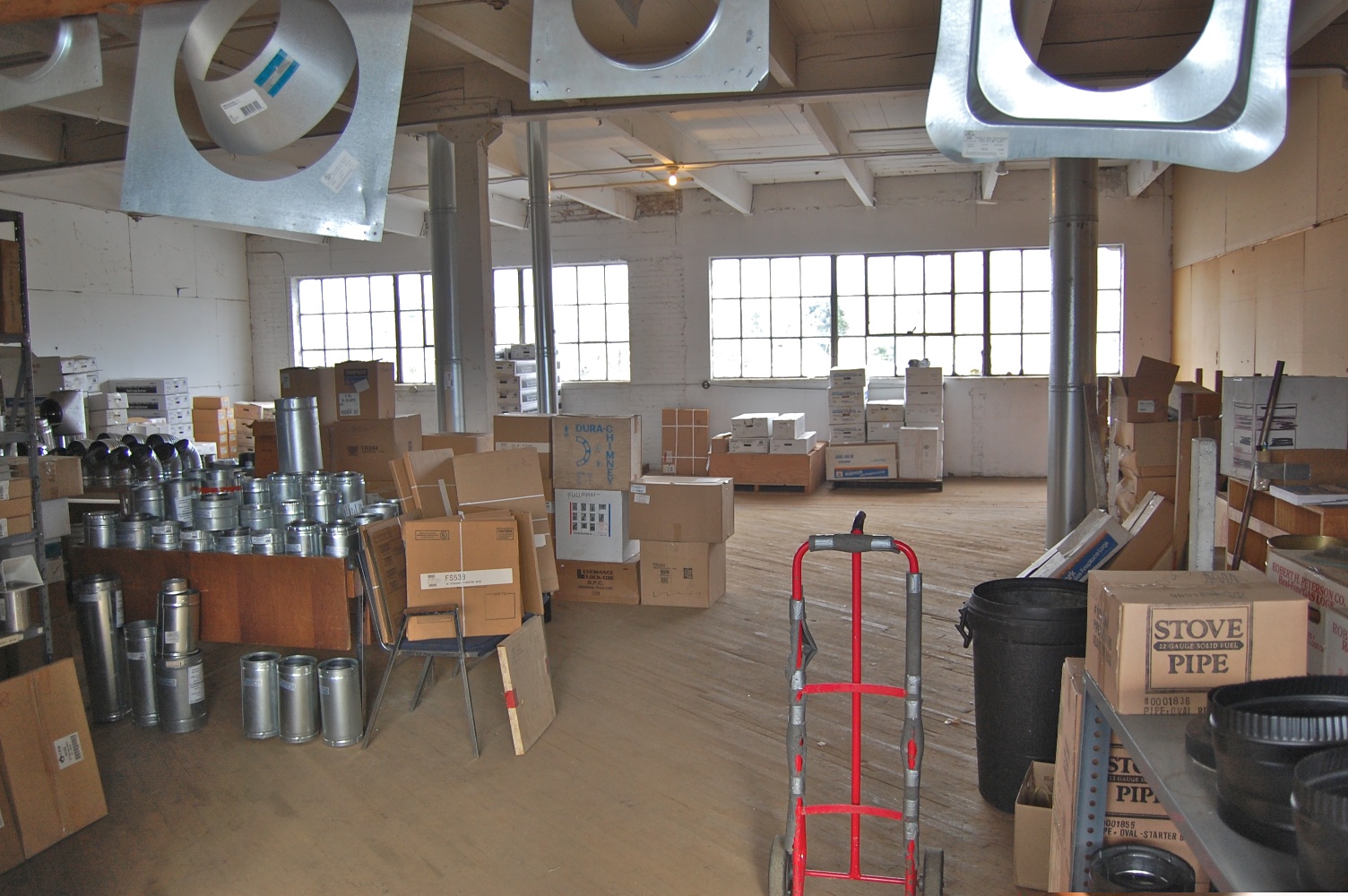
The view from the top floor is impressive: both up and down Sullivan’s Gulch to the east and west. North across the busy intersection toward the Dolph Park neighborhood. But there are no hidden nooks or crannies with artifacts from Oregon Home Builders. It’s a tidy and well-organized warehouse on the upper floors. Here and there you can tell from marks on the floor where heavy machines and equipment may have been anchored, or workbenches secured to the walls.
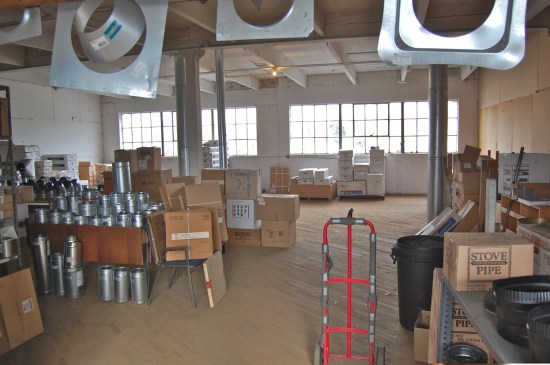
No aircraft machinery to be found here. Just a warehouse for Gordon’s Fireplace Shop.

But the aircraft heyday of the building passed briefly and it stands on the north rim of Sullivan’s Gulch as an artifact itself while the busy intersection below surges with traffic and big development plans. In the midst of shuffle and change, it’s a time traveler with stories to tell.
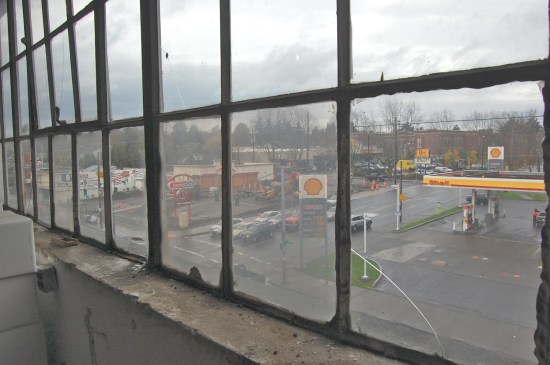
Earliest Alameda Views

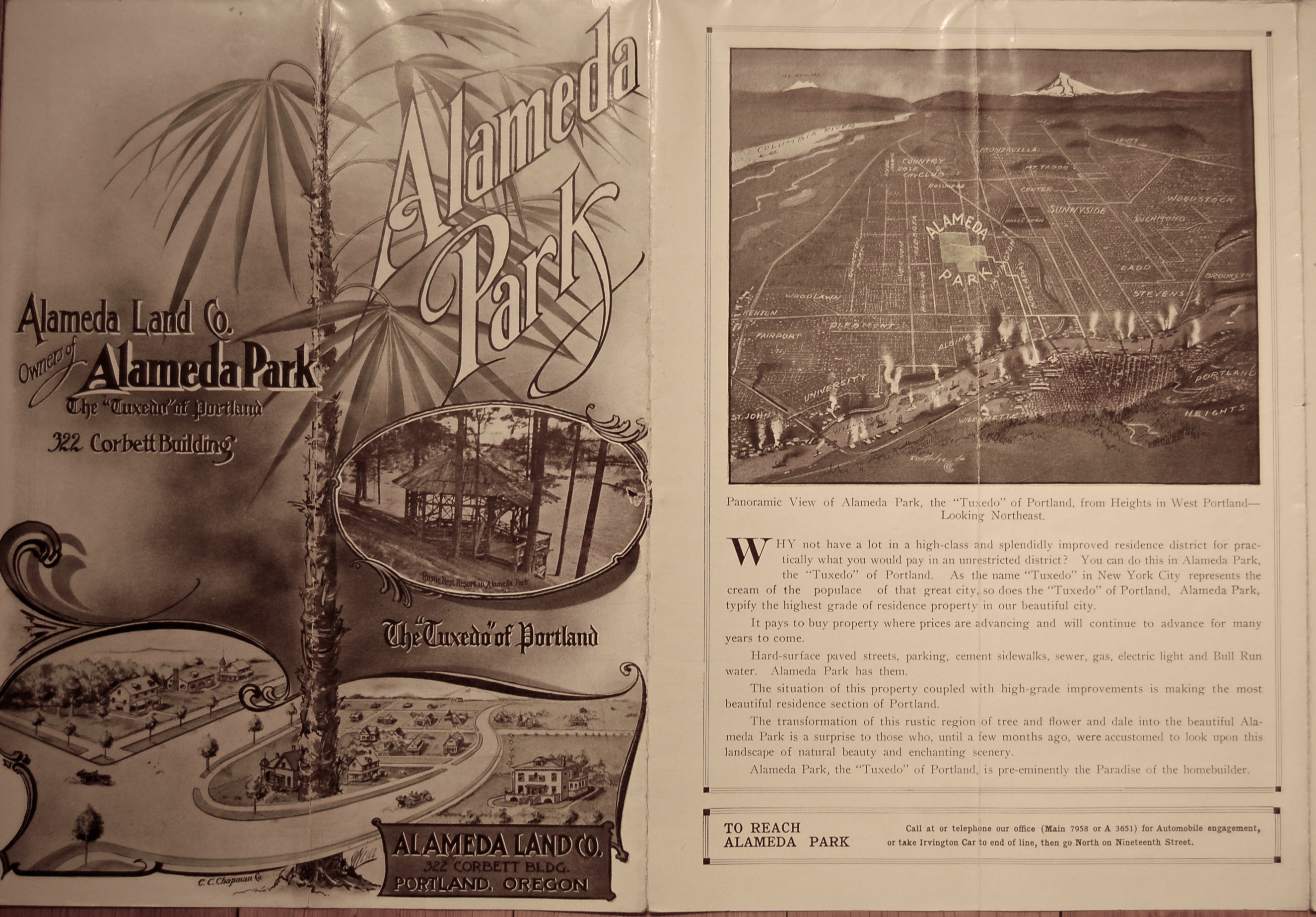
We’ve come across a remarkable piece of propaganda recently that offers a unique look into the earliest days of Alameda Park. It’s a brochure that provides photos and some very creative narrative, all designed to get potential buyers into Alameda Park.

It’s different than the small brochure you might have seen. This is a three-color (black, yellow, green) glossy, multi-fold pamphlet.

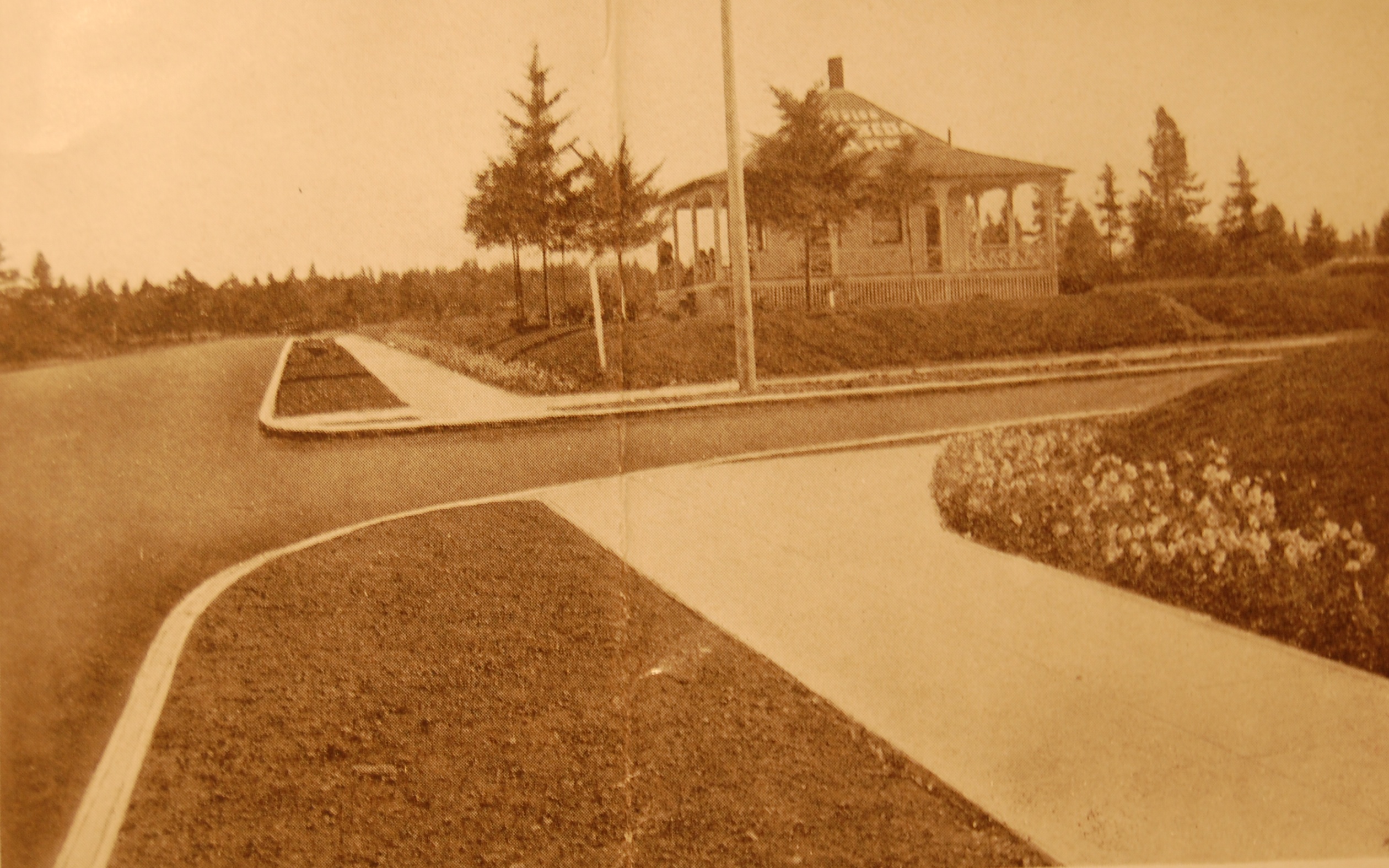
Interesting to note how the photo/map view below right is facing east, with Mt. Hood in the distance, instead of the typical north-south orientation. See what other interesting details you can find, like all the steamships in dock. Be sure to check out the “Rustic Rest Resort” on the cover, which looks more like a coastal cabana than something you’d find in the woods and fields of this new neighborhood. We think it was a gazebo like “porch” perched somewhere along the Alameda Ridge.

Click on the image for a full-size look at the map and the text.

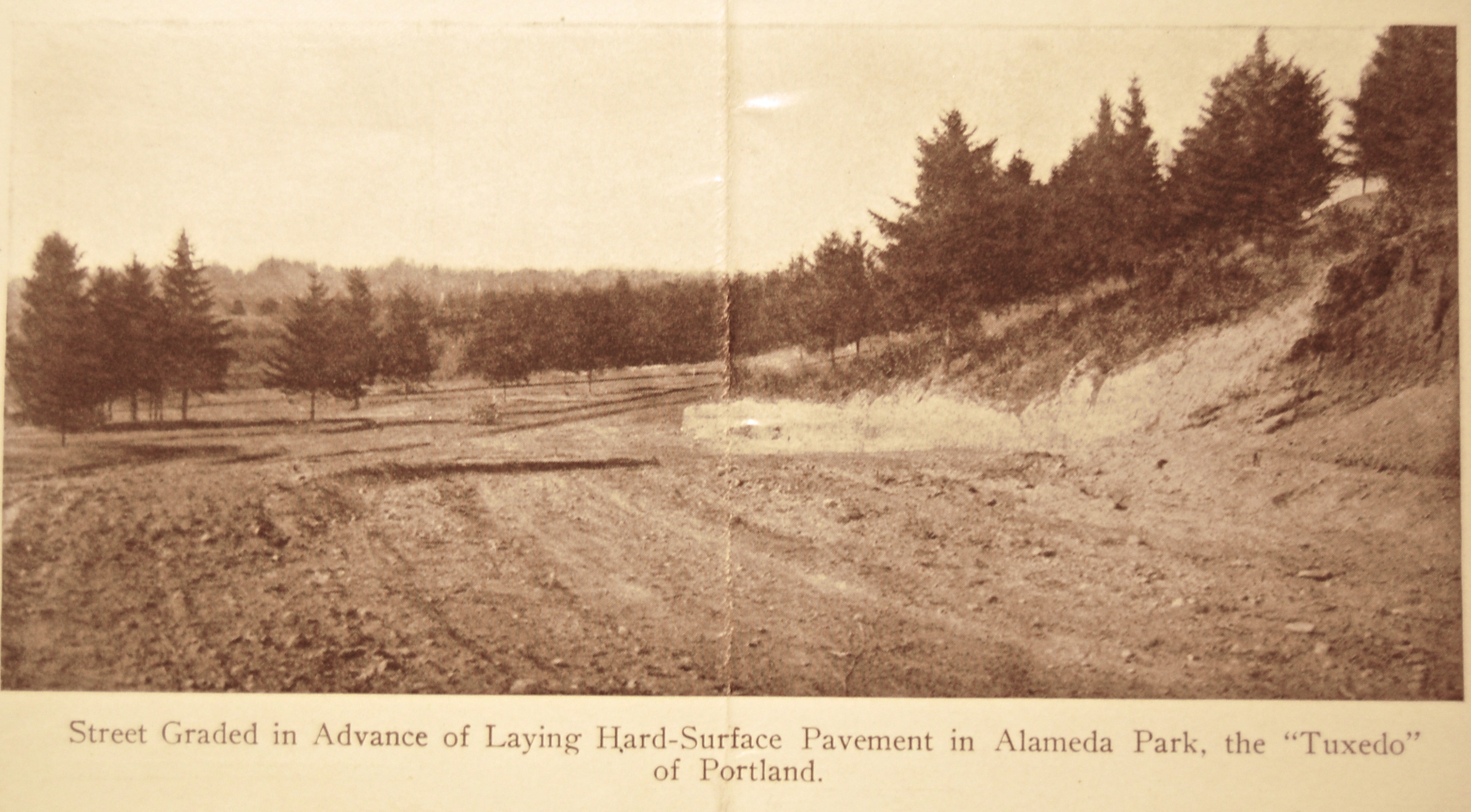
Text and images in the brochure go on to talk about the many virtues of the property—descriptions that are a bit ironic since when this went to print, the “Tuxedo” was little more than gravel streets, some concrete curbs, mud and brush.

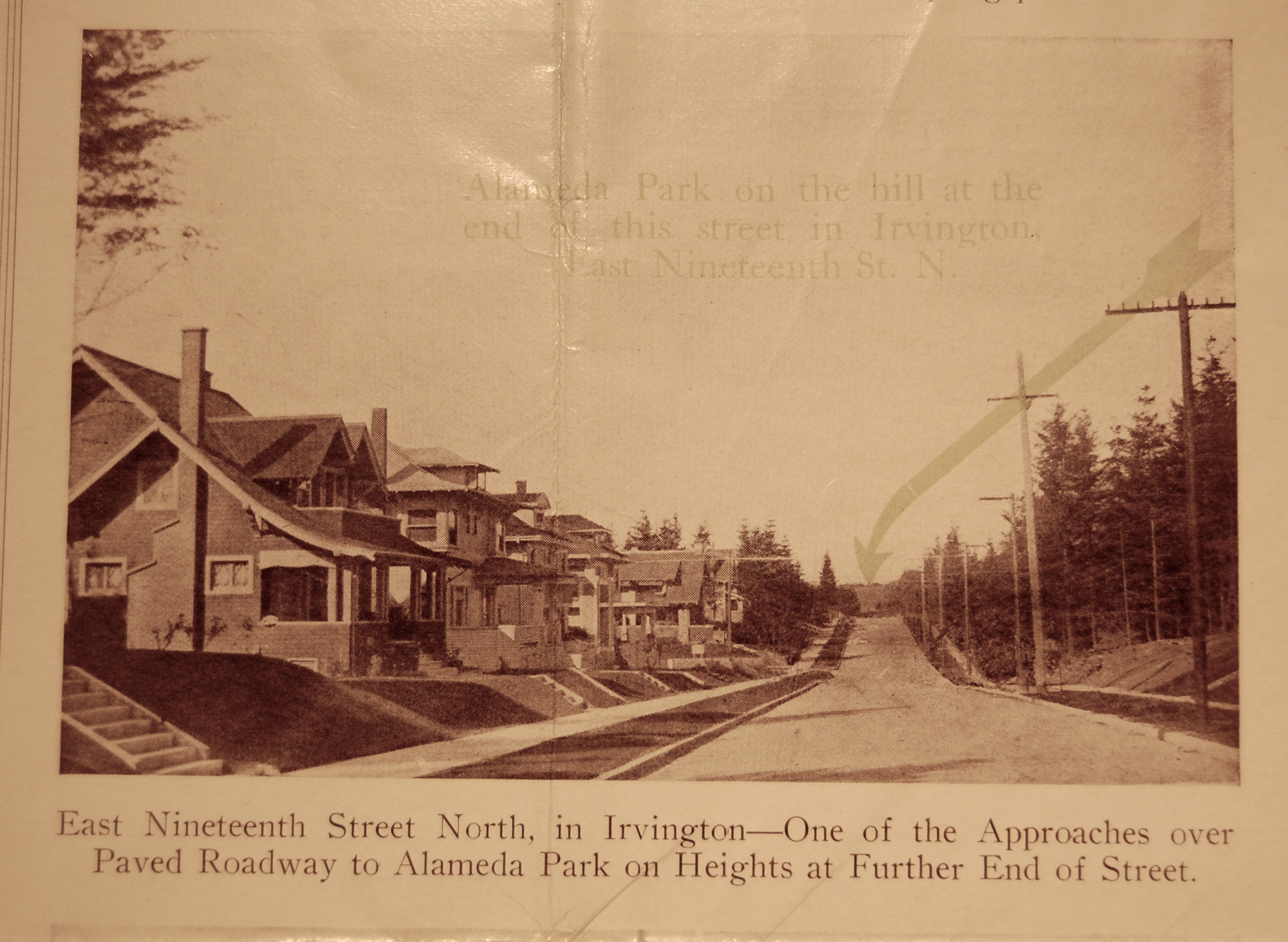
Another distinctive feature is the way in which the proponents boldly benchmark and shamelessly rip off nearby Irvington, which was established, successful and featured solid property values. Check out this panel:

The green text is faded, but it’s pointing out that tiny patch of mud and trees at the far north end of this lovely Irvington street view, as if to say: “Alameda…it’s up there.” Throughout the brochure, Alameda Land Company boosters tried to build their own credibility on the back of Irvington (which was developed earlier and by a different company that didn’t much appreciate this kind of attention).

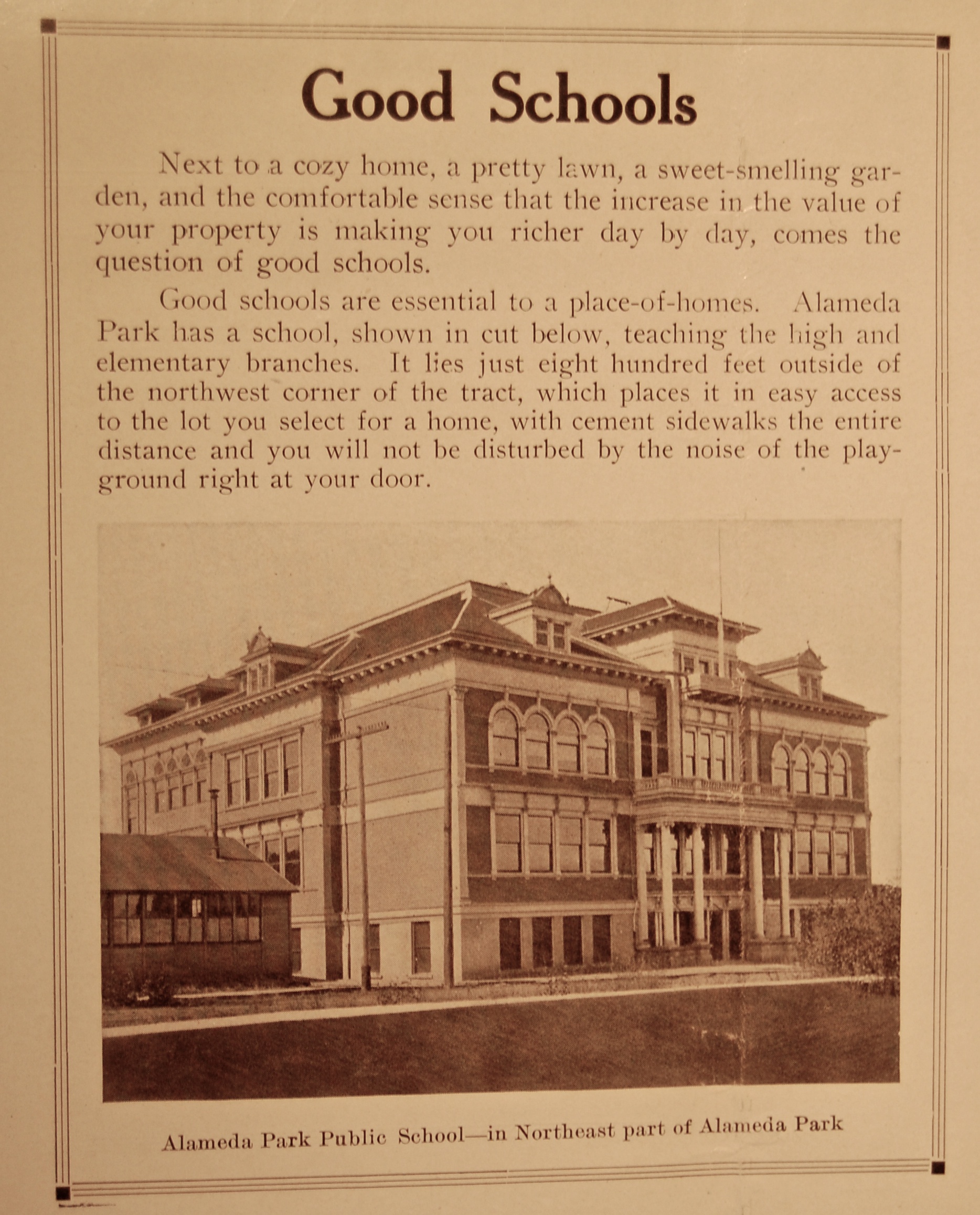
And here’s one that took some real initiative: calling the Irvington School the Alameda School. Just to be clear, this is the original Irvington School. There was never a school like this in Alameda. Period. It’s a bald-faced lie in black and white.

Don’t believe everything you read: there was never a school like this in Alameda…it’s the original Irvington School.

For us though, always in search of more information about the Alameda Land Company, the real gems of this brochure include the photo of the company’s tract office, which was located on the southeast corner of 29th and Mason. Check it out:

Looking east on Mason, just west of NE 29th Avenue. Note that the streetcar tracks have not arrived yet. A later photo taken from nearby looking north shows the railing and a banner that reads “Alameda Land Company Tract Office,” which appears to be on the roof too.

And saving the best for last: this view of NE Regents Drive, looking downhill, long before the neighborhood we know today. About as close as we get to time travel.

With thanks to our friends at the Architectural Heritage Center for sharing.

Change Comes to Alameda

We’ve learned through the Alameda Neighborhood Association about an impending change for the corner of NE 28th and Hamblet. The 1922 Frederic E. Bowman-built Spanish style home will be torn down soon, the large lot will be subdivided, and two homes built.

The William and Susan Illidge home, 3810 NE 28th Avenue. Built by Frederic E. Bowman, 1921-1922. The house, currently vacant, is to be razed and the lot subdivided.

According to Alameda Newsletter Editor George Smith, the developer is planning to construct two high-end homes: one a colonial revival facing Hamblet; the other, a craftsman facing NE 28th. George reports that the builder is sensitive to keeping the houses in scale and style with the surrounding neighborhood.

We have had a close look at the house, and recognize it has clearly seen better days and restoration is an expensive proposition. Still, it’s going to be hard to let go of this time traveler and its stately presence set back on the wide, open and prominent corner lot. It’s one of the few Mediterranean-style homes built by Bowman, who was a prominent east-side builder from 1909-1931.

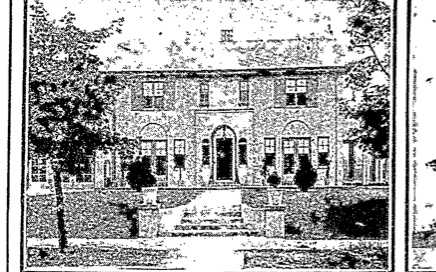
We did find a news story and photo of the home that ran in the July 9, 1922 edition of The Oregonian. Take a look:

In 1930, the house was home to William and Susan Illidge, their three children and Susan’s mother. Illidge was a prominent Portland attorney. We haven’t yet undertaken our customary full study of the house and its former residents—seeking out the stories, memories and photos from their years there. What do you know about this house?

More to follow…

A few spots left for history walk…

Alameda Blog readers will assume we’ve gone into retirement due to the slowdown in posts here. But not so. Research continues, as do daily musings and wonderings about the stories from Alameda’s past. It’s been fun to see the conversation among commenters here on the blog. We’re glad to provide a water cooler around which we can share stories and thoughts.

The outlet this month for our neighborhood history energy is a walking tour of Alameda that we’re leading through the neighborhood on Thursday night, August 9th. At last check, there are still a few open spots, if you’re interested. Click on over to the Architectural Heritage Center’s website for more information about how to register.

More posts to come this summer and fall, including a great story about the baseball rivalry between Alameda and Irvington; some thoughts about current infill and remodeling underway in the neighborhood; and a profile of early architect Ida McCain. Stay tuned.